 As I sit looking at the vast expanse of white in the WordPress editor window, fingers poised over the keys and acutely aware of the aches in my fingers and wrists and subtle waft of soap barely masking the hint of worn out engine oil clinging stubbornly to the creases in my old hands, I think to myself ….. aaagggghhhh why did I bother!
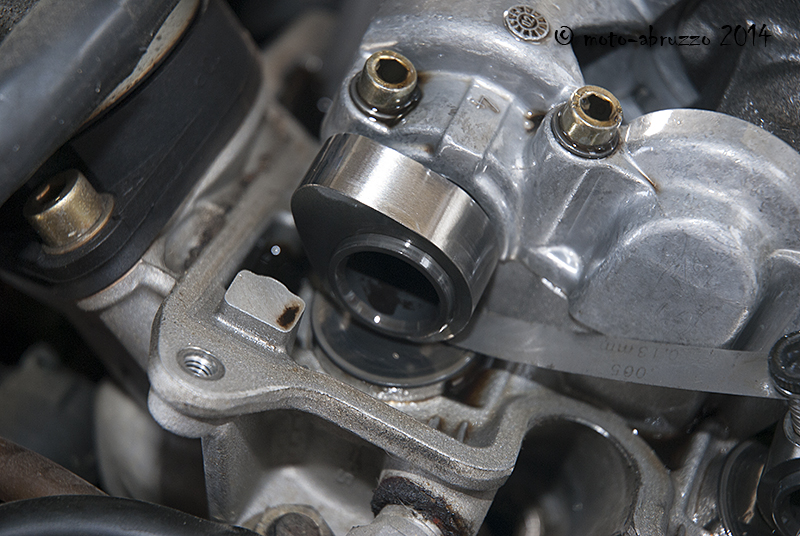
Yes, another Caponord service is over – with a valve check. Don’t get me wrong, everything went well, couldn’t have gone better in fact. Air/Oil filters and engine oil, plugs, hoses, fuel tank drain lines etc … are just perfect … but this time I had to fight my way in to check the valves, last done sometime when Crackerjack was on black and white TV’s – or so it feels.
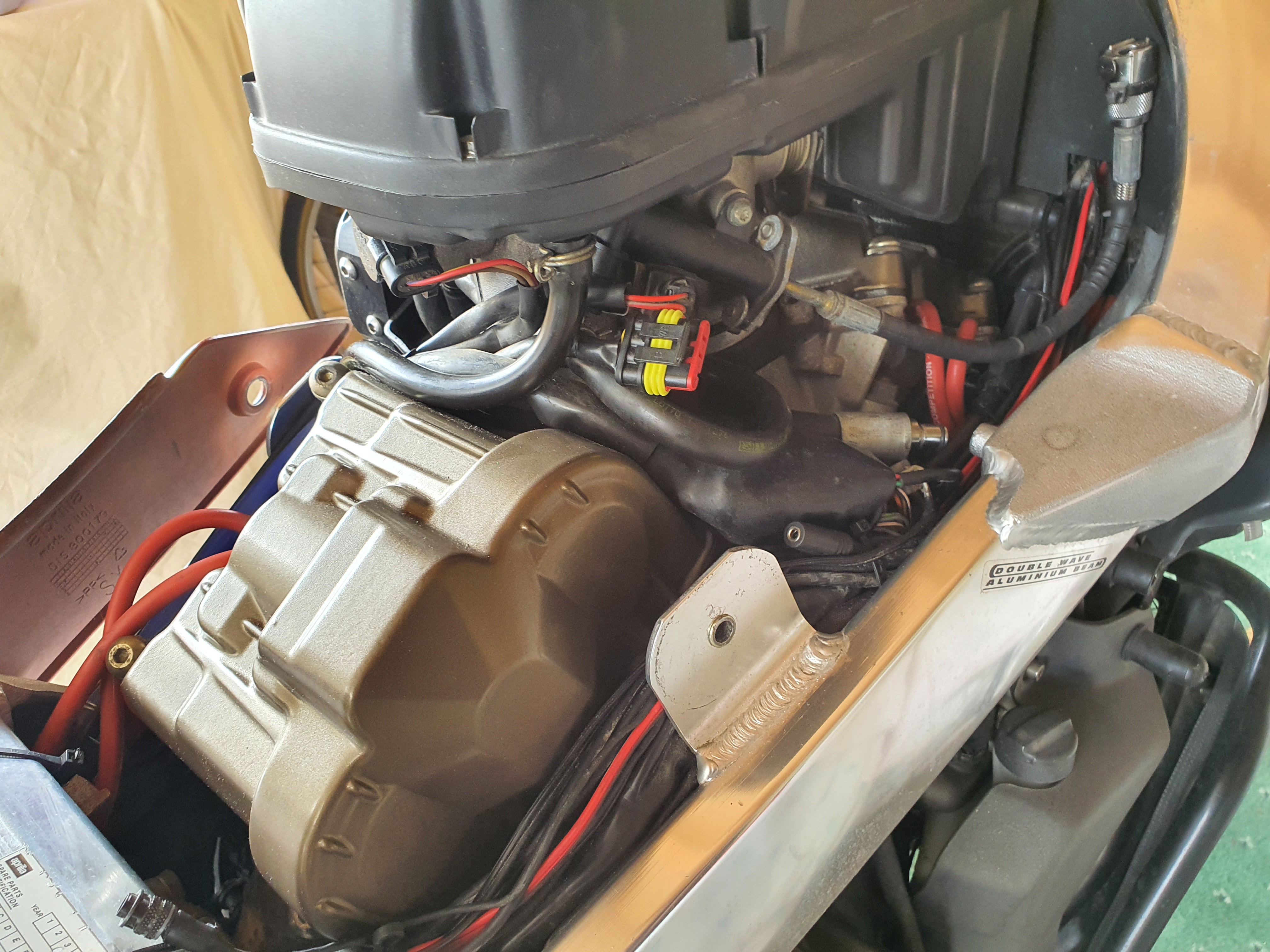
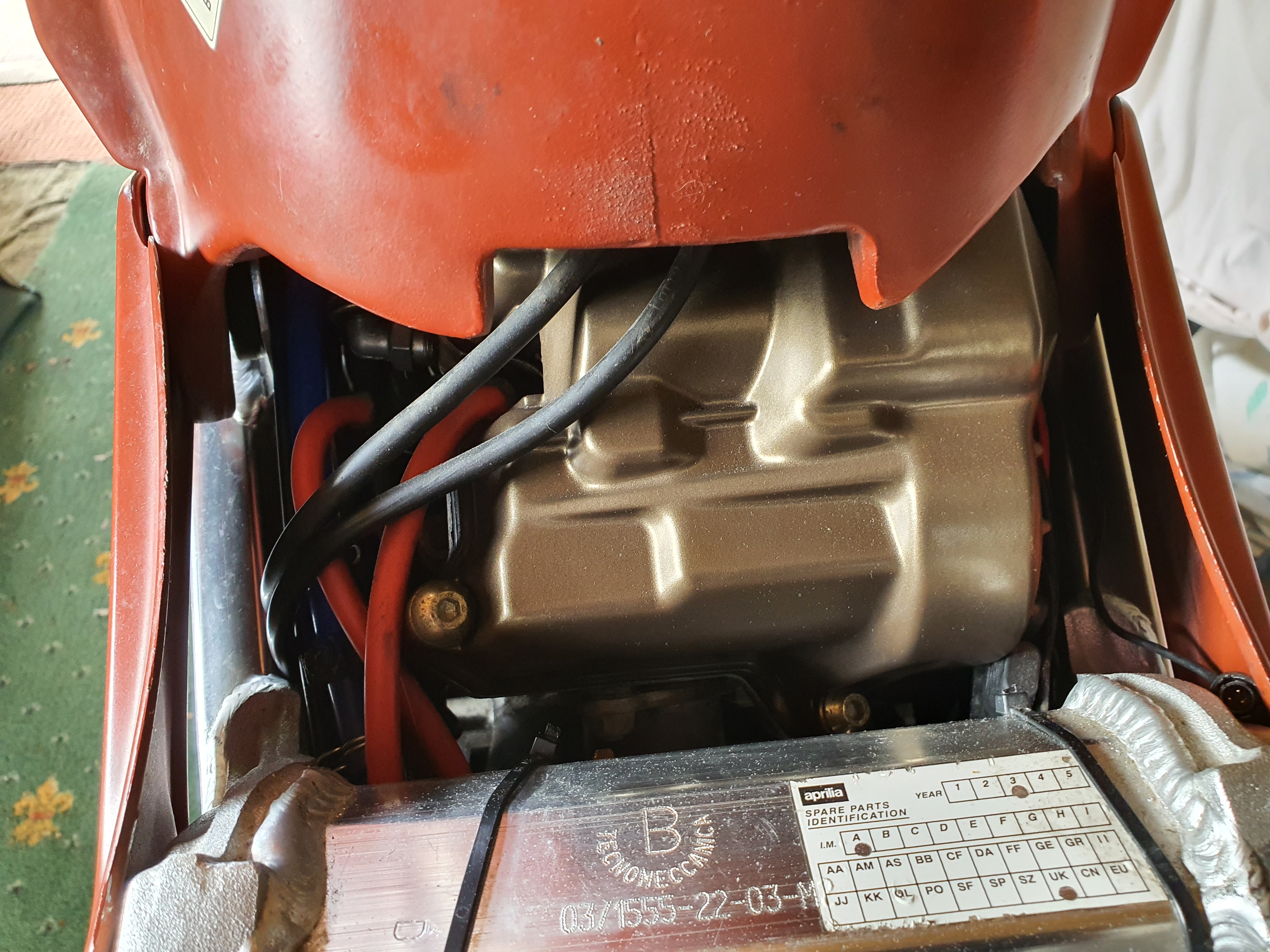
Don’t get me wrong it’s not a hard job, just a fiddly one, especially the front cam cover bolt beautifully obscured by the coolant thermostat, oh and the buggeroo of a screw at the front of the cam cover, behind the radiator and below the finger shredding plastic mount for the front coils … otherwise, all good.
It’s none of that that bothers me in reality. It’s the fact that when you get in and measure the valves after what seems like way too many miles since the last visit, they’re all bloody fine! Couldn’t just one be out, just one require a shim change just to make the whole visit worthwhile – please! Oh well, I guess I had to console myself with fitting the powder coated cam covers and savouring the moment in the golden hour at the end of a beautifully warm day.
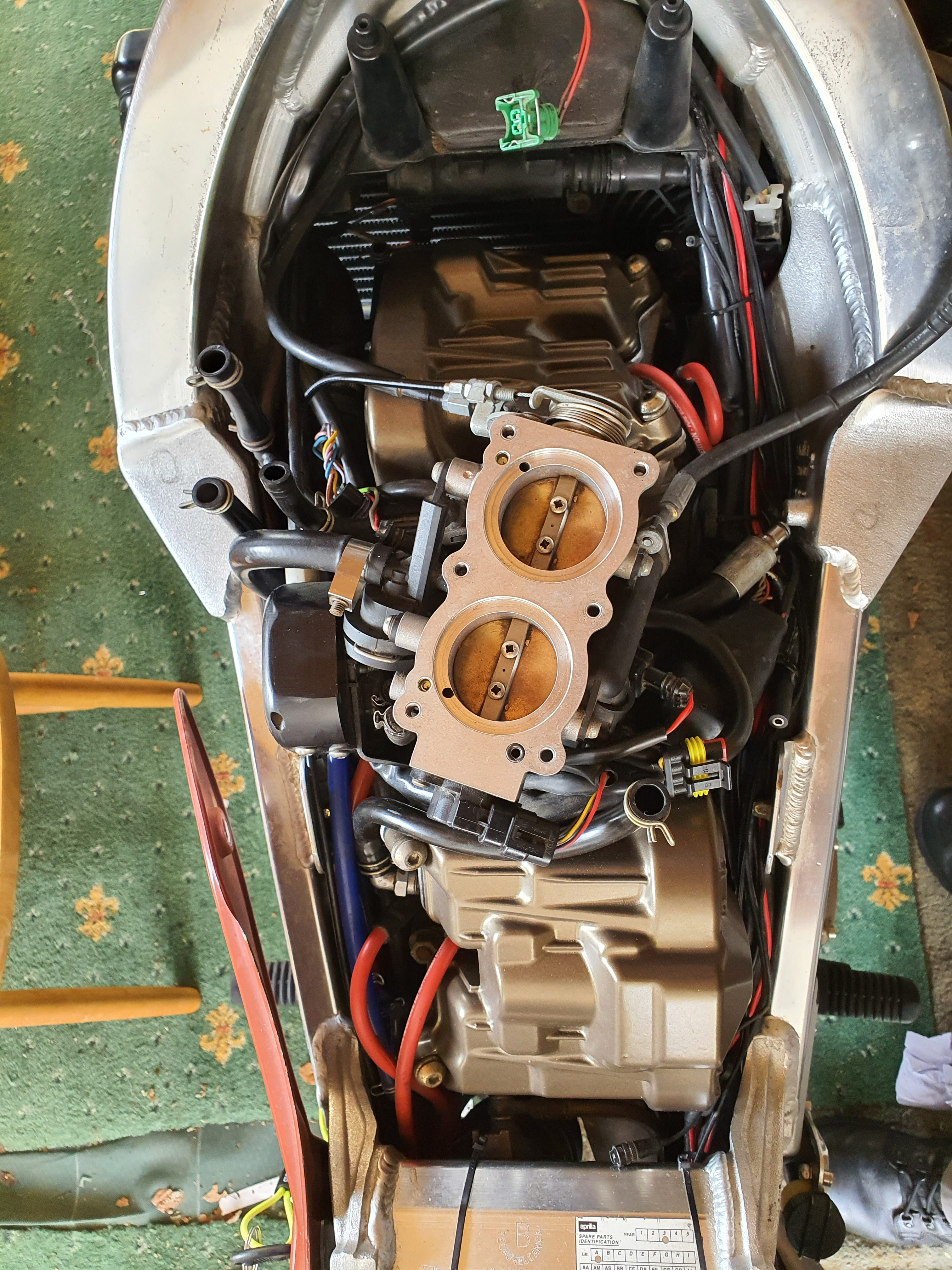
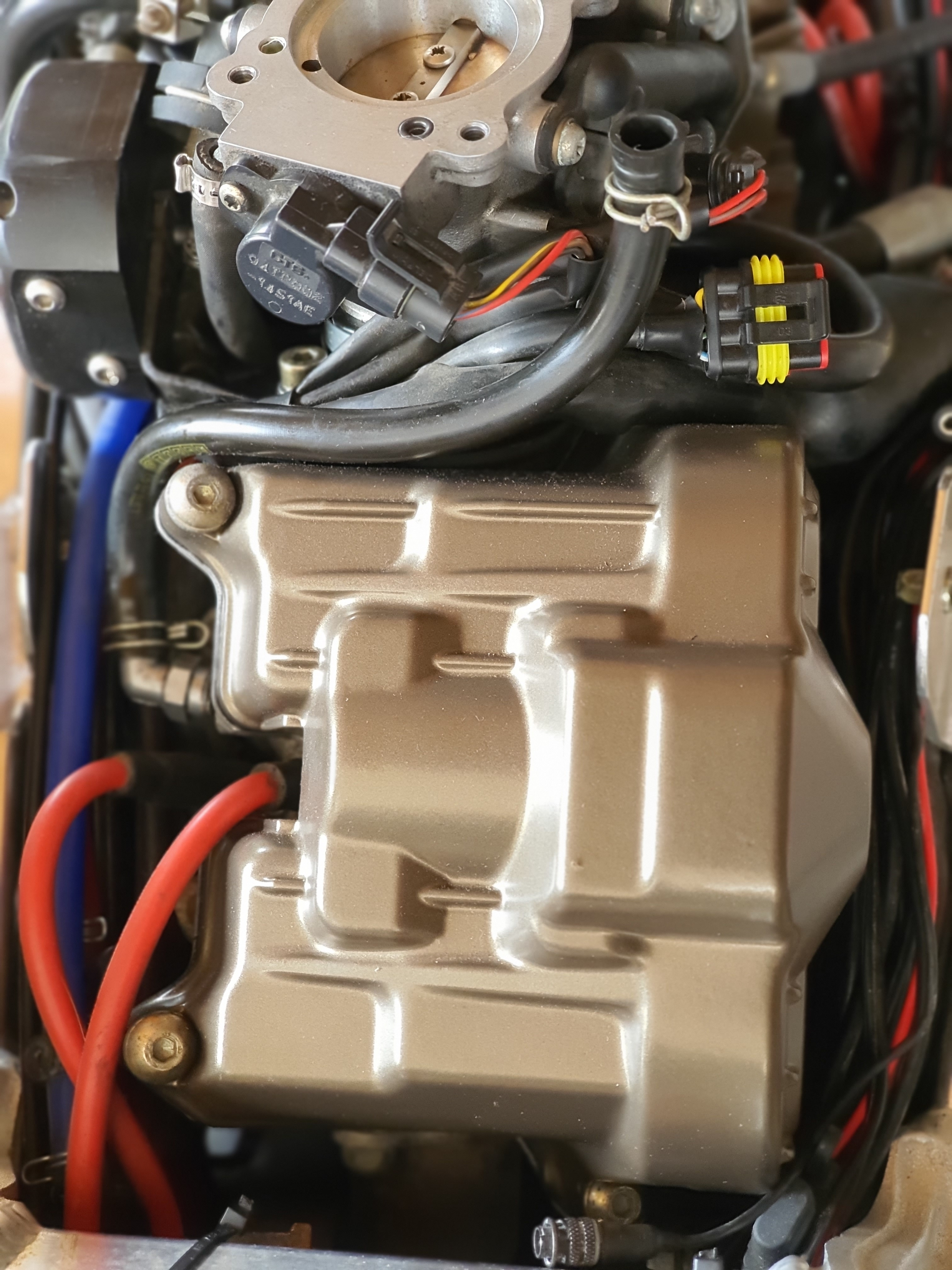
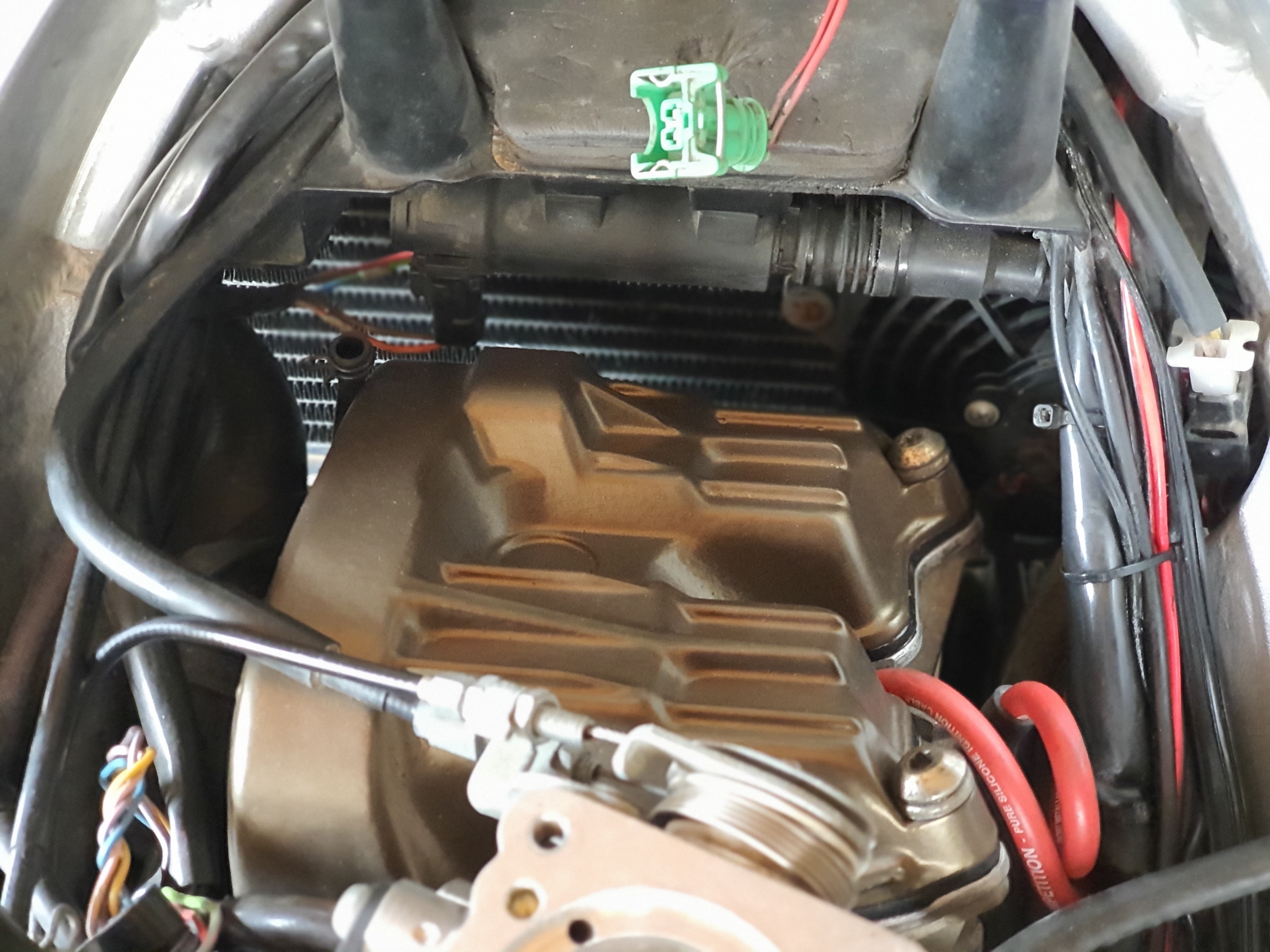
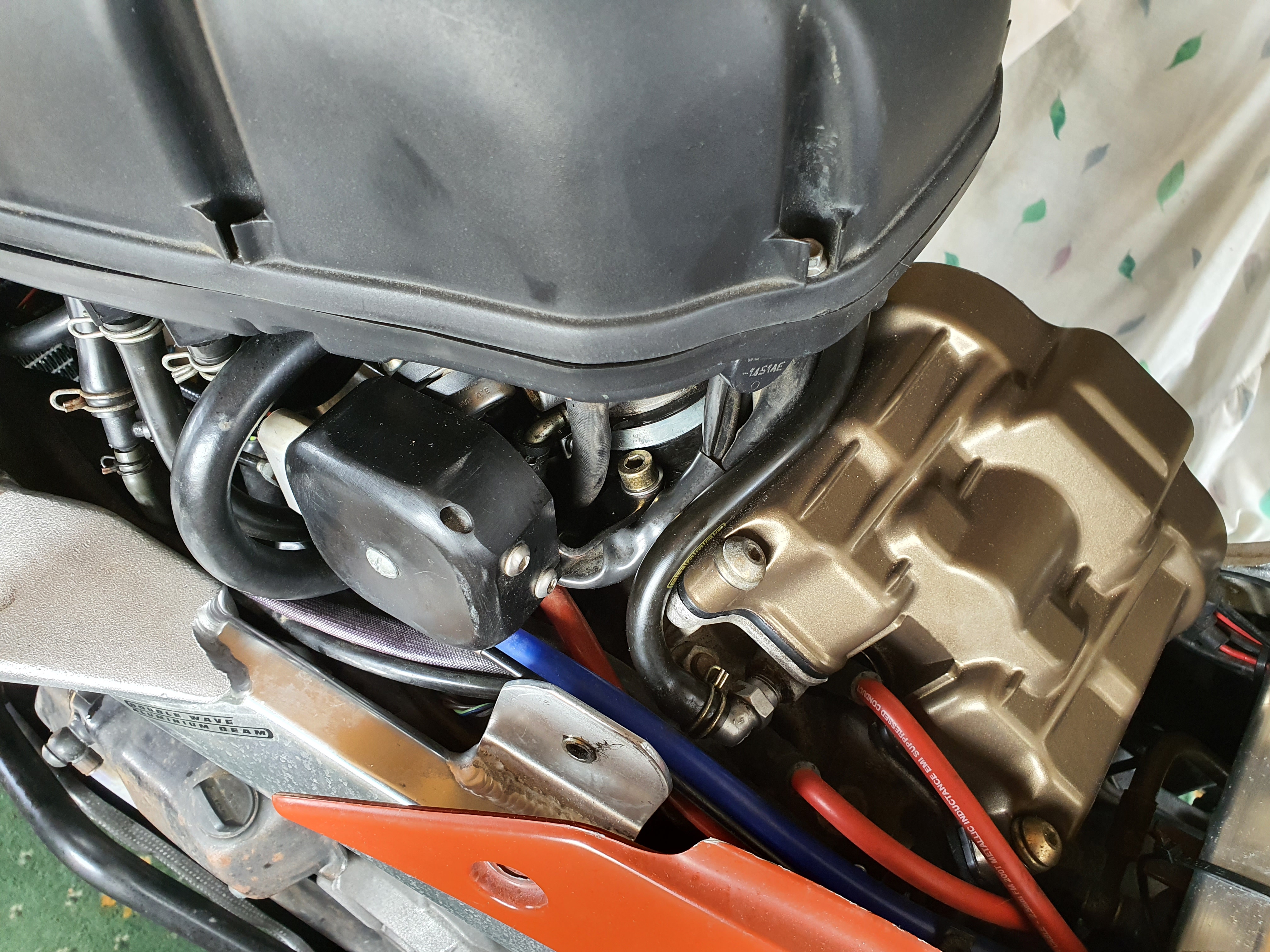
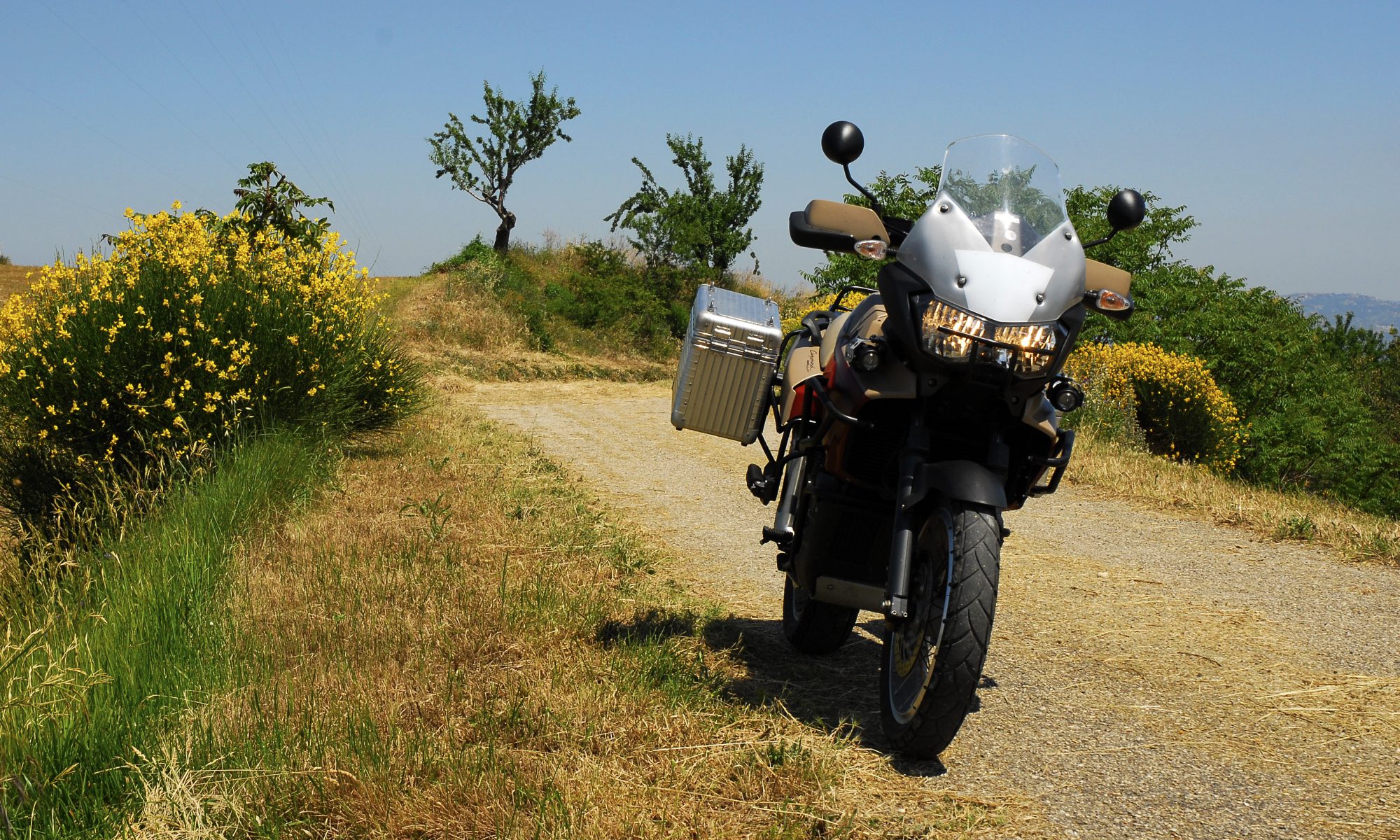
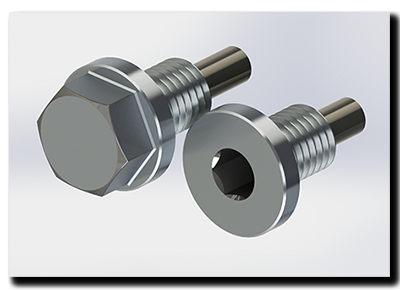 I think it’s reasonable to say that Aprilia got it right when they chose Rotax and the rock-solid V990 motor for their range of bikes in the late 90’s. Bullet-proof doesn’t quite do it justice, especially in the de-tuned Caponord variant. But even this wonderful piece of Bavarian engineering has it’s weak points, and probably the one most obvious from a service-by-service aspect is that damn annoying magnetic plug in the crankcase.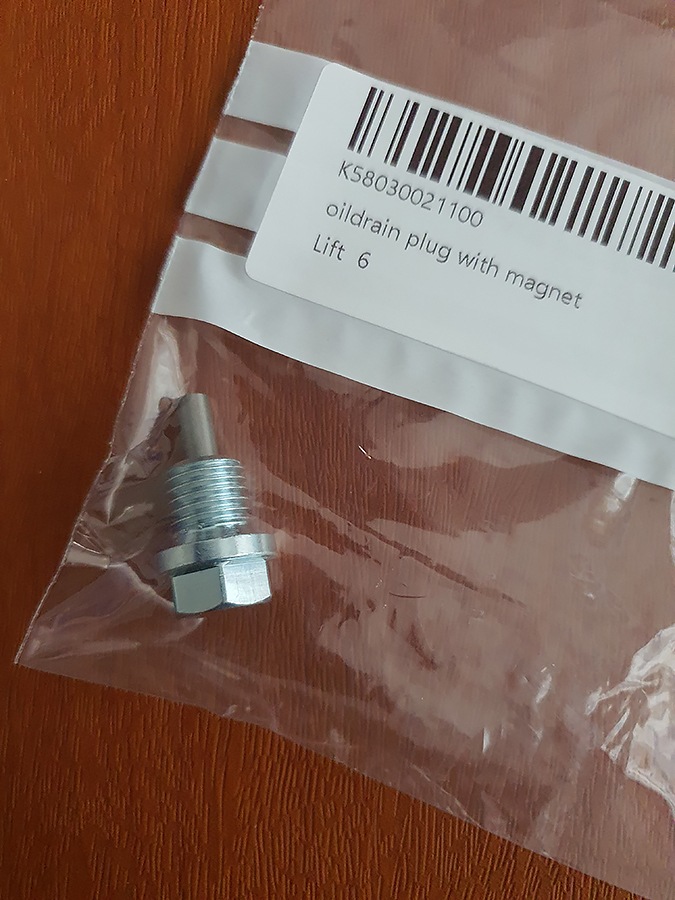
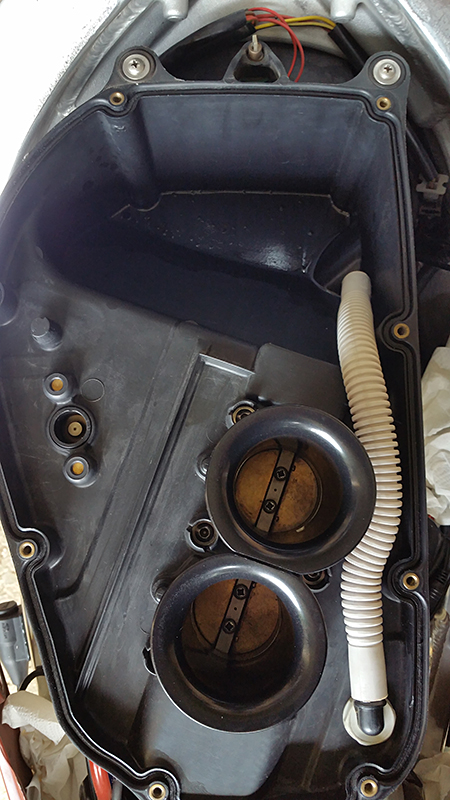
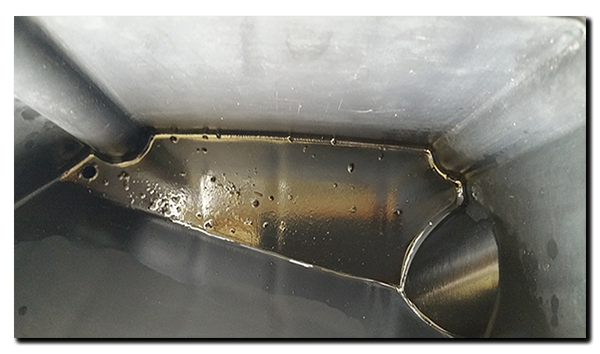
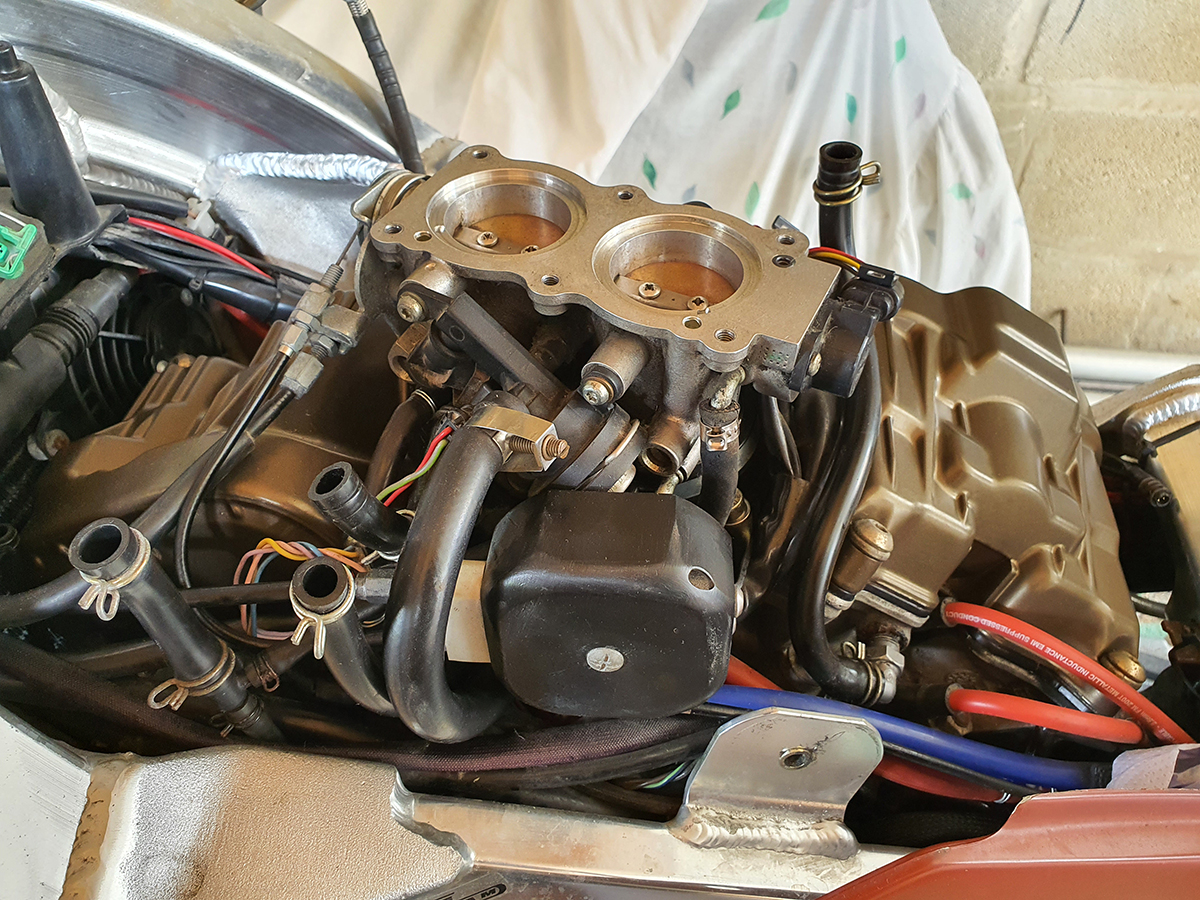
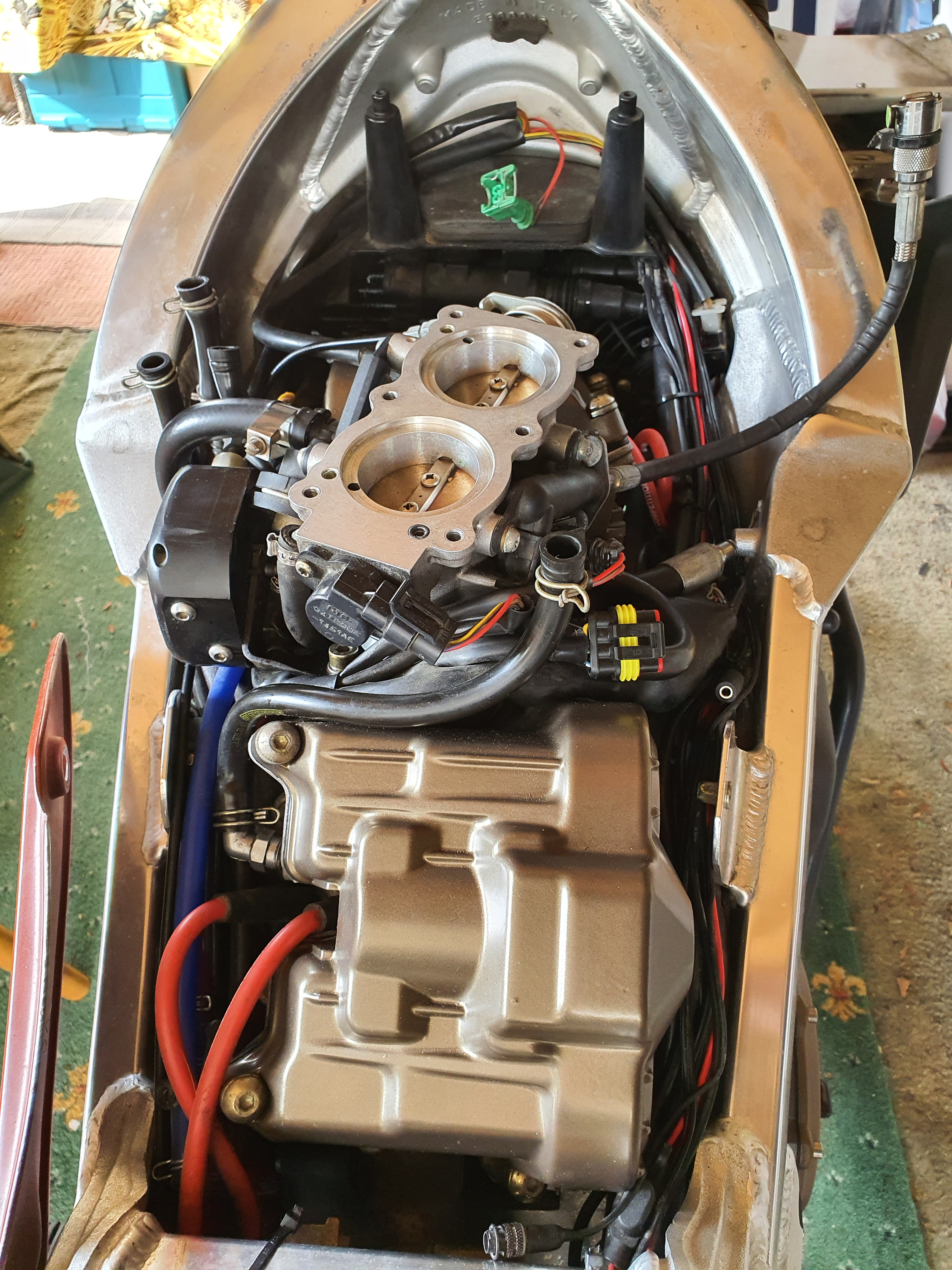
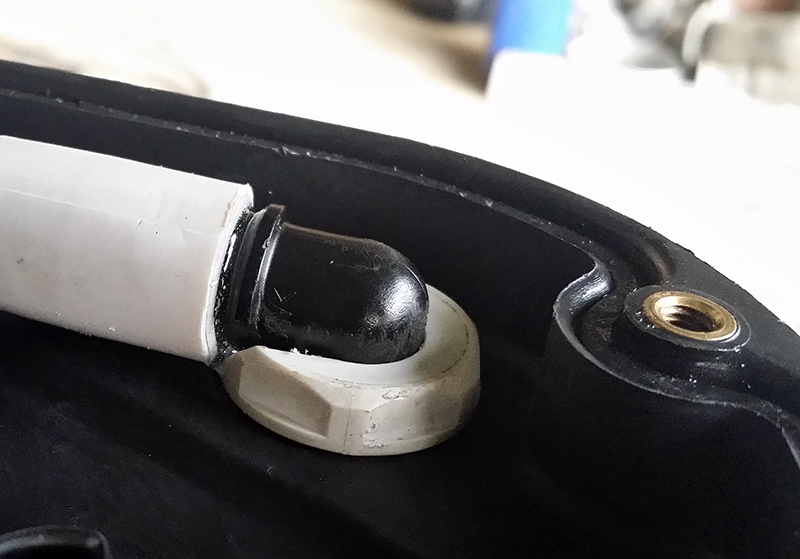
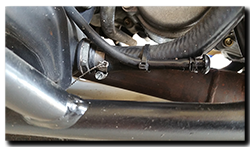 pipe fitted to drain any oil into the front of the airbox, well away from the throttle body and IACV (Idle Air Control Valve).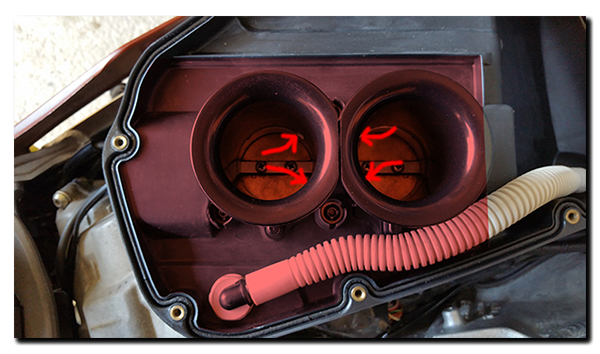
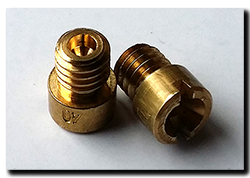 Secondly, and I don’t mind admitting when a change to the Capo doesn’t work – I’ve gone back to the #60 clutch oil jet from the #40. Why? Simply because the benefits were outweighed by the losses …… yes the #40 jet made the initial 1st gear selection go from ‘CLONK’ to ‘clonk’ but it also buggered up all subsequent gear changes, gone was the silky smooth shift that I’d had with the #60 jet. In the end I would say that if your Capo shifts gears smoothly and doesn’t have an issue selecting Neutral, then leave well alone. I’m sure for those with no jet, a blocked jet or a nasty gear shift this may well be a worthwhile modification, for me I’m glad to have the old slick-shift gearbox back again.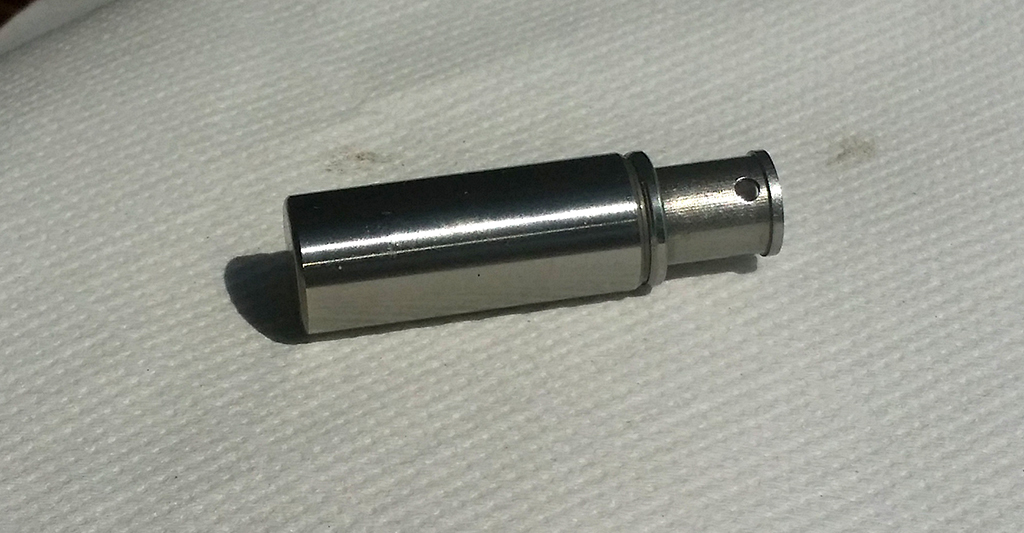
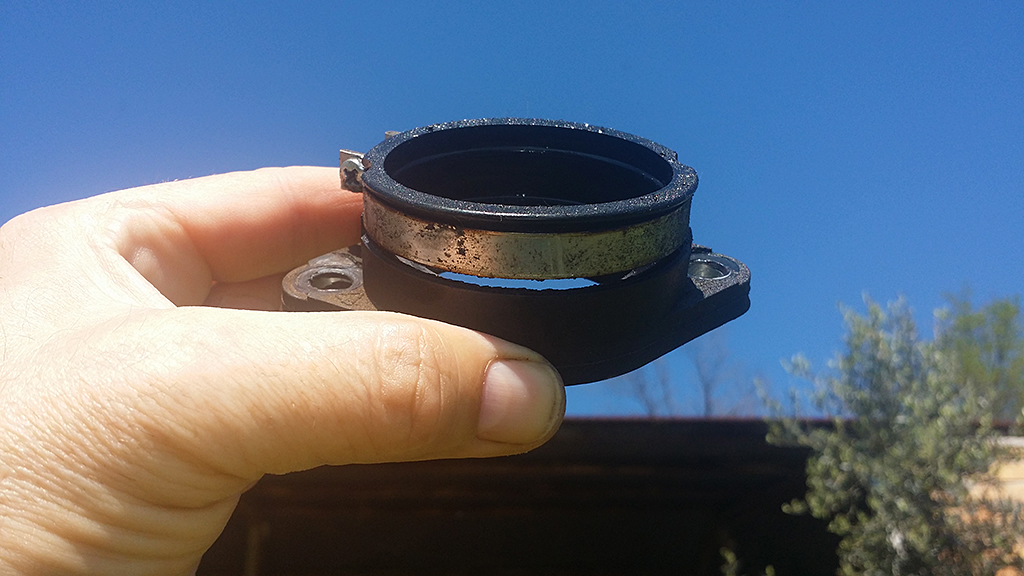
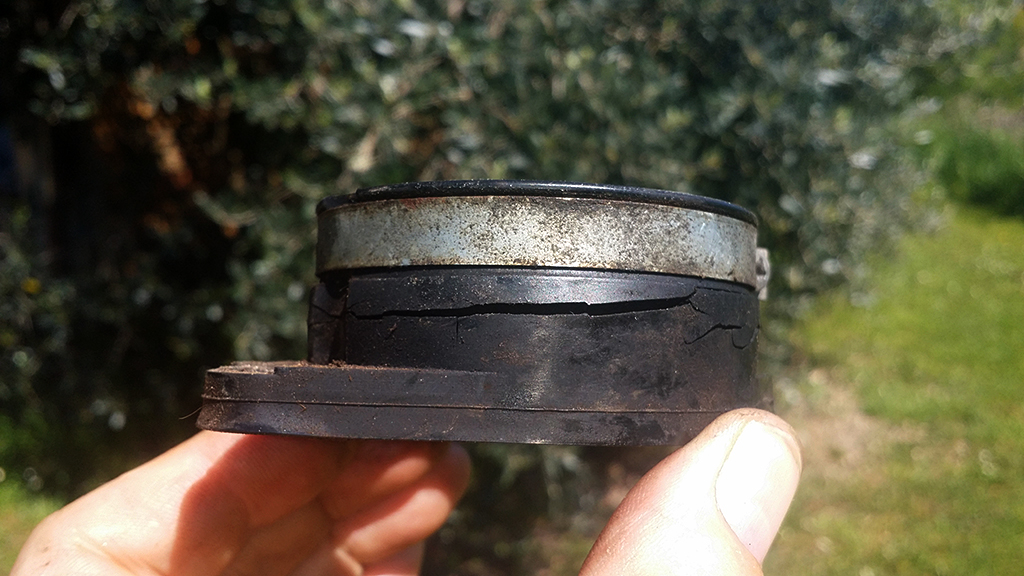
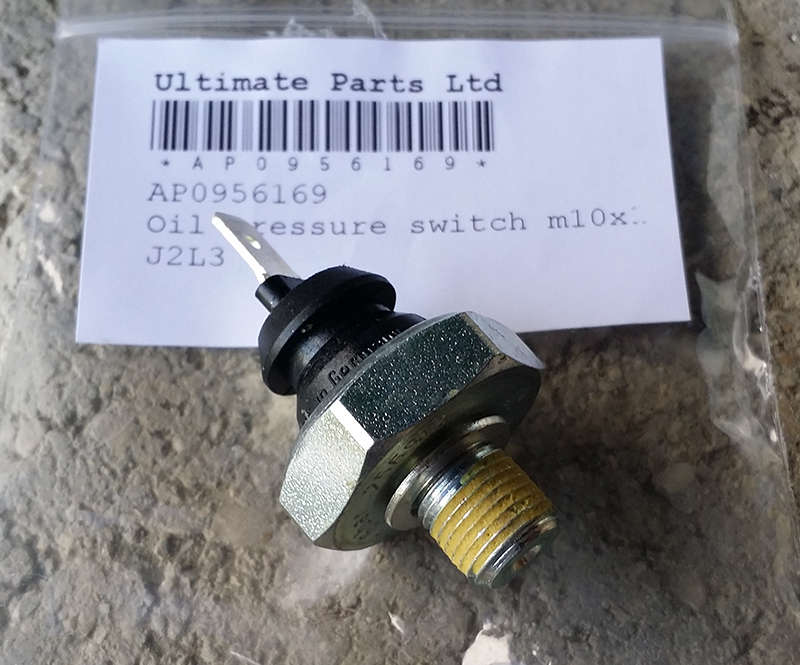
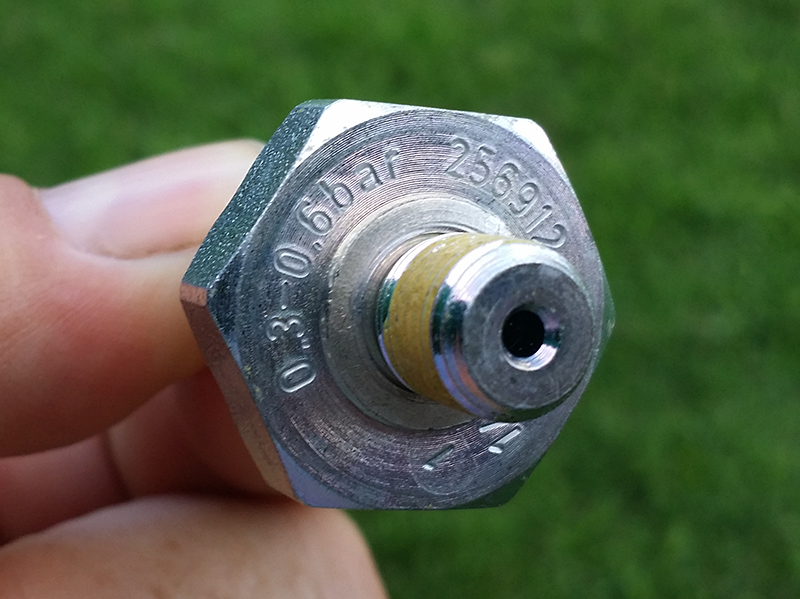
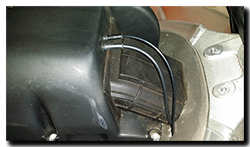 Yesterday I spent a lazy morning installing a couple of sensors inside the airbox (more in another post) and with the tank propped back in place, fired the Capo up to check the fuel lines…….
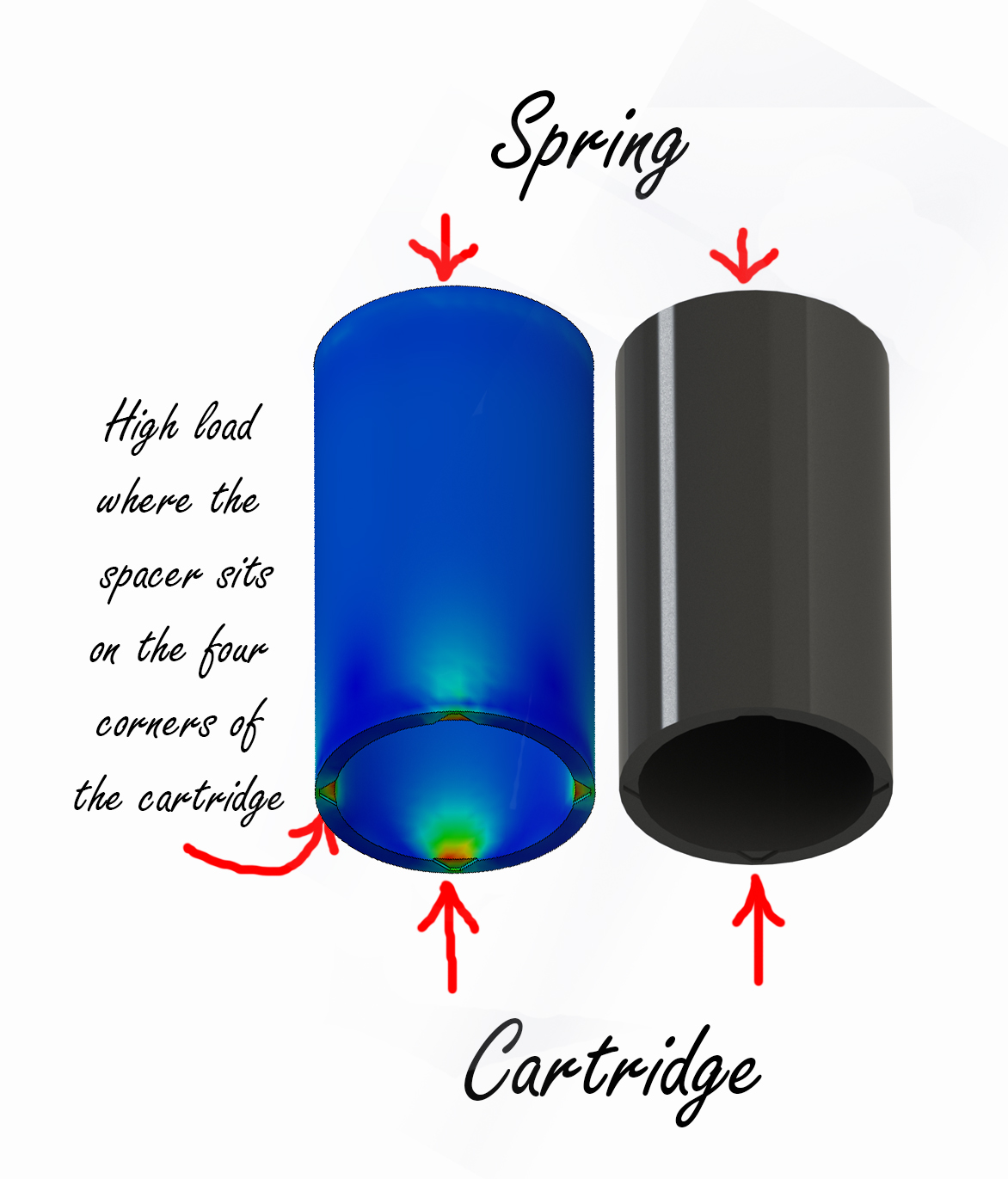
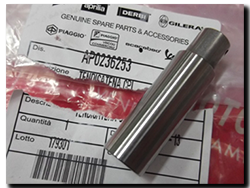 rear. As it was lunch time, I decided to have a look a bit later – and promptly forgot! Well I got back to it in the evening and pulled the cam chain tensioner out. Soggy as a knackered bed spring! 🙁
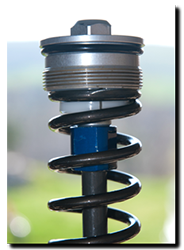 The dodgy wrist and Dog awful weather here in Italy at the moment have both contrived to keep the Capo tucked up in the barn, a hairs breadth from the magic 100,000Km. So while the rain poured its heart out, I decided to have a look through the Excel spreadsheet of service/repairs/upgrades for the Capo ……… and realised that the front
 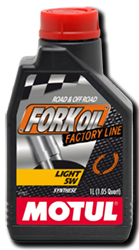 forks hadn’t had an oil change for over two years!