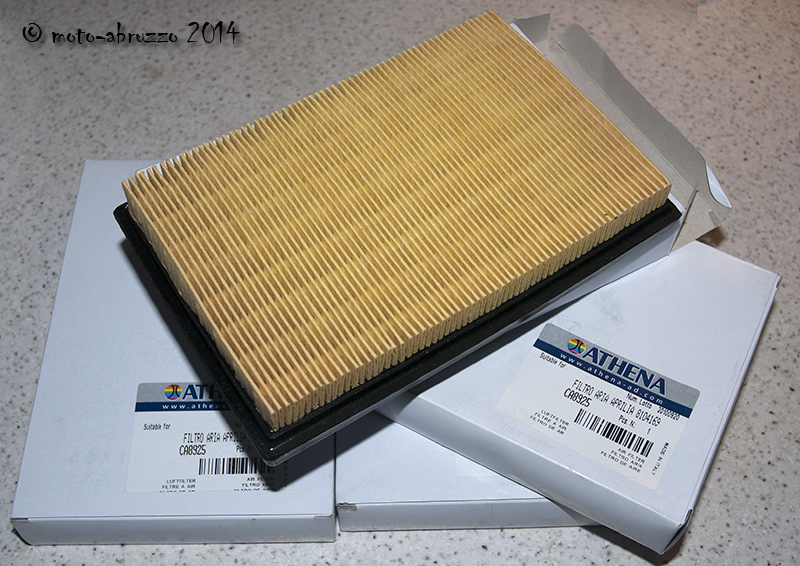
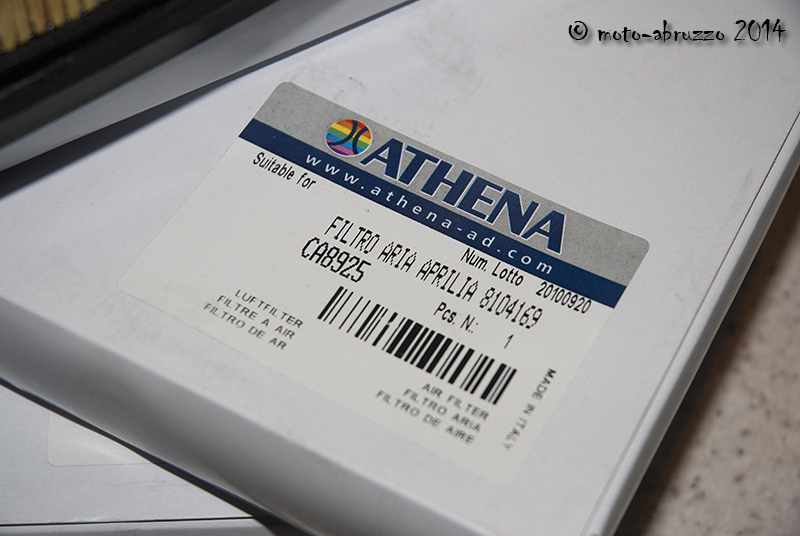
 I mentioned recently that I’d ordered a batch of air filters made by Athena in Italy. They’re a direct replacement for the Aprilia AP8104169 one and the only obvious difference is the black foam material instead of orange, and that’s fine and dandy with me. However, on stripping out the old filter I noticed for the first time (that I can recall!), it has a code on the end …. hmmmm ….. could it be a viable manufacturers code I wonder?
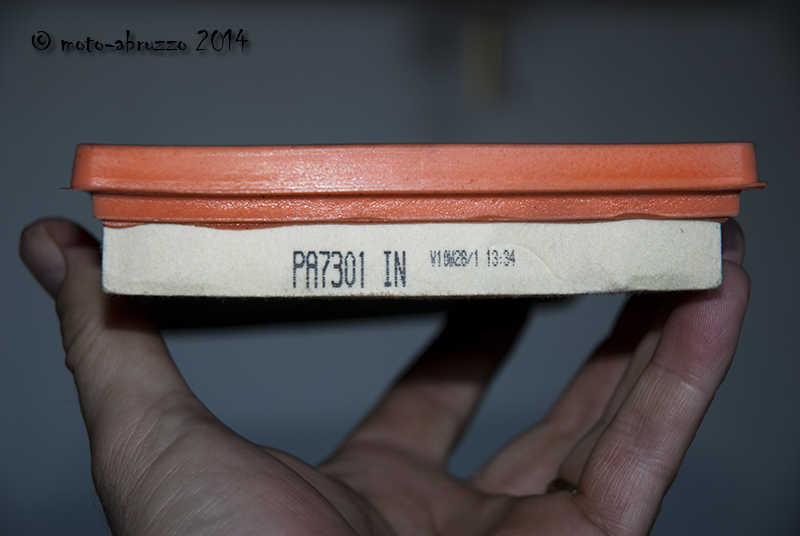 A few minutes on the web confirmed that the number is definitely a manufacturers code – not Aprilia, but FIAAM. A bit more digging unearthed a total of three cross-referance numbers. Tecneco AR9474PM, FRAM CA9474 and FIAAM PA7301. The downside? All of them seem to be obsolete, with FRAM/FIAMM saying they went out of production in March 2012! Buggeration ……
But … one of the sites I found listed a filter that is an almost identical footprint to the OEM one:-
Aprilia OEM 210 x 140 x 30
FIAAM PA7180 212 x 140 x 60
Now a 2mm length difference is peanuts – the OEM one can be stretched/compressed by 10mm easily, the problem may well be the height, at 60mm it’s double the OEM filter. So to try to find out I took some pics of the airbox with the OEM filter in and had a play in Photoshop. Here’s the outcome.
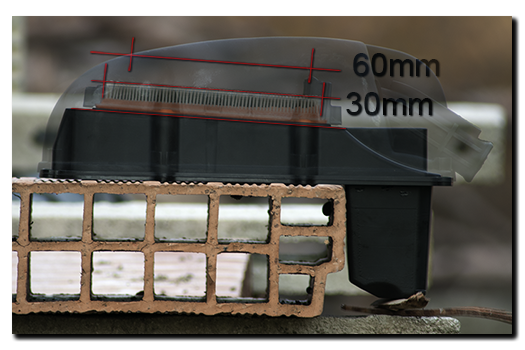 The vertical lines show where the filter ends or interferes with the frame or lid. As you can see, the 60mm high PA7180 will squash in at the ends …… will this be enough to restrict air
  flow, or will the greater surface area of the larger pleats compensate? Answers on the back of a crisp £20 note if you please! 😀
Next time I’m passing a motor-factors, I’ll order one and have a play. At £4.68 each they’re half the price of the Athena …. and that brings me nicely back onto track, the new Athena filters that turned up today. What are they like then eh?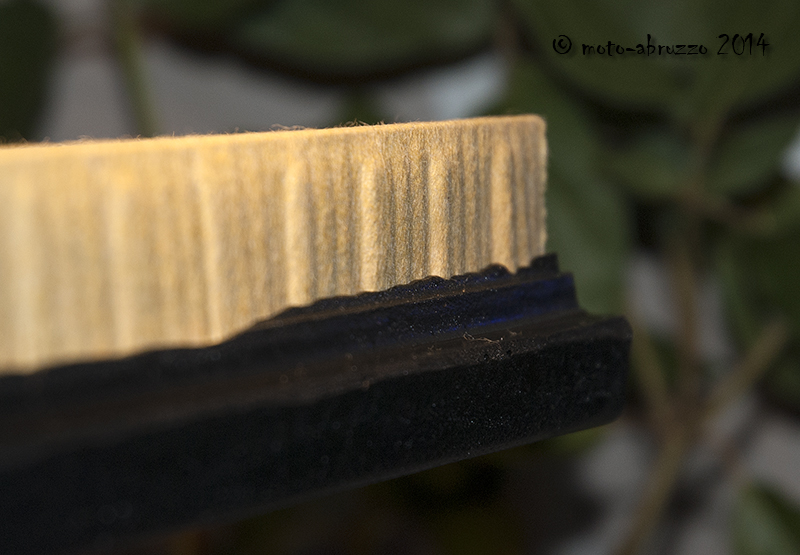
Well, dimensionally it’s an exact copy, so the fit is absolutely fine. One nice touch is the embossed pleats. It keeps them evenly separated for better air flow unlike the OEM element that is simply made of folded paper where the pleats can collapse onto each other. The bottom line is that it fits well, looks better constructed and is substantilly cheaper than OEM (€8.35 each from Germany) …… oh and it comes in a nice shiny box!
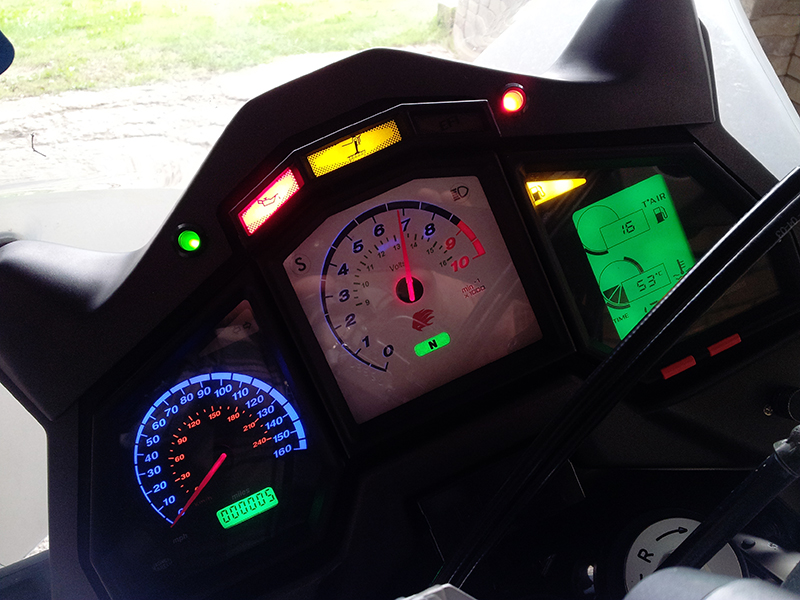
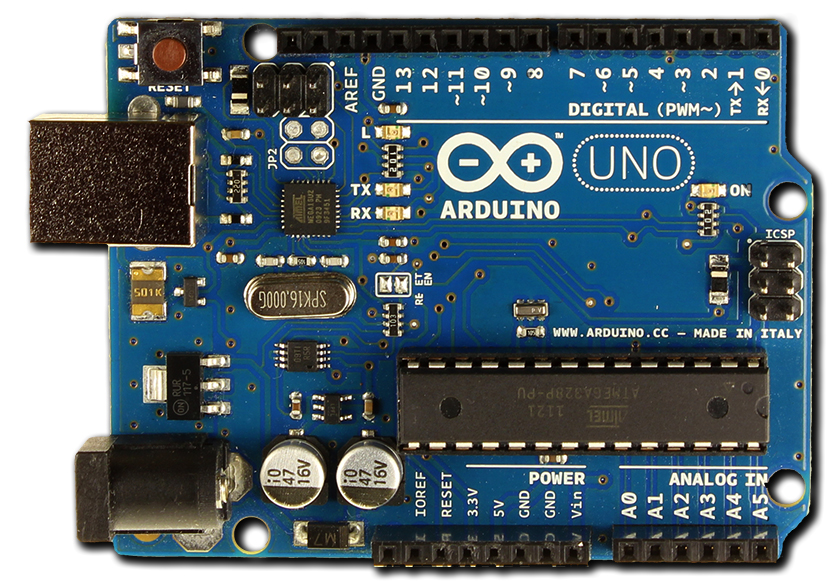
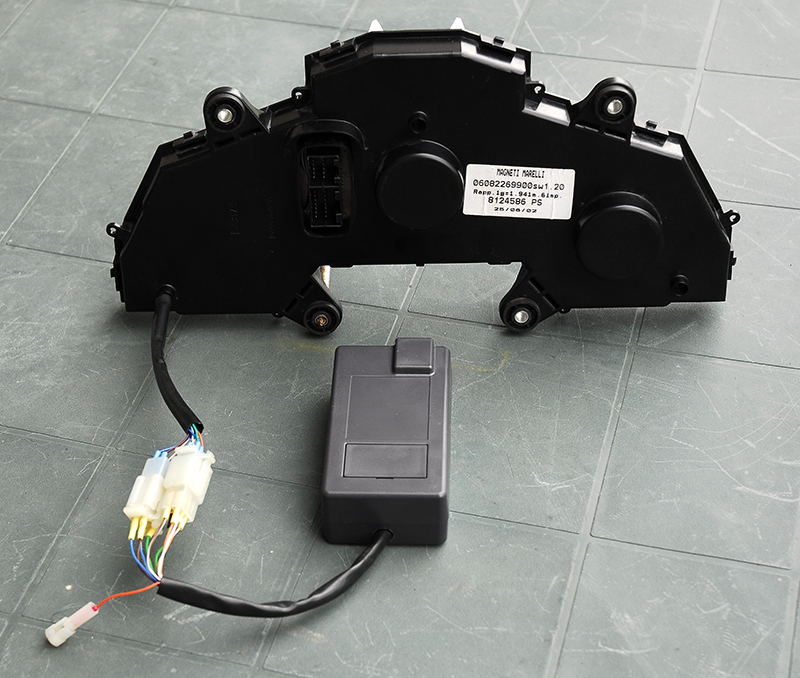
 As well as getting the inlay reprinted with the added voltmeter graphic, I’ve also decided on a little re-arrangement of the existing graphics and functions. For example, why oh why is a ‘side-stand’ light prime-center of the display when it already has a safety circuit to stop you riding away with the stand down? ….. Magneti Marelli over-egging the pudding I think.
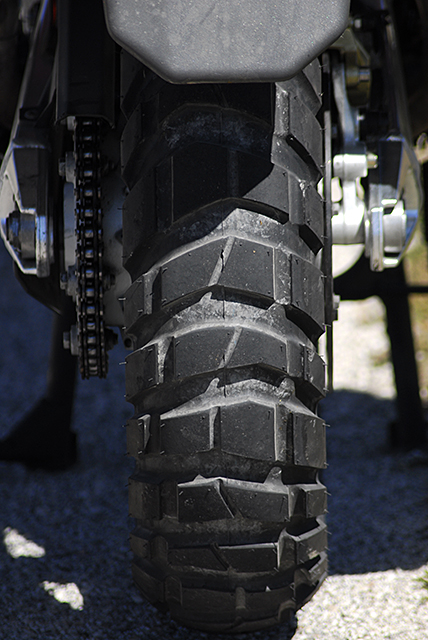
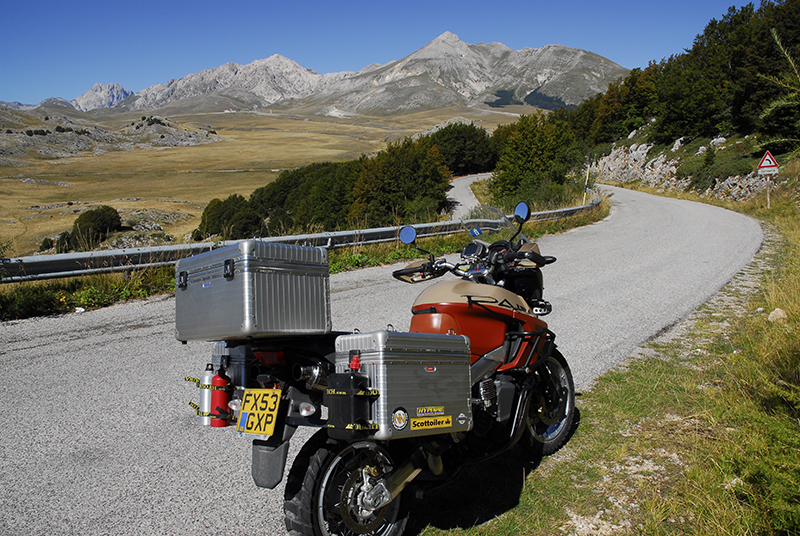
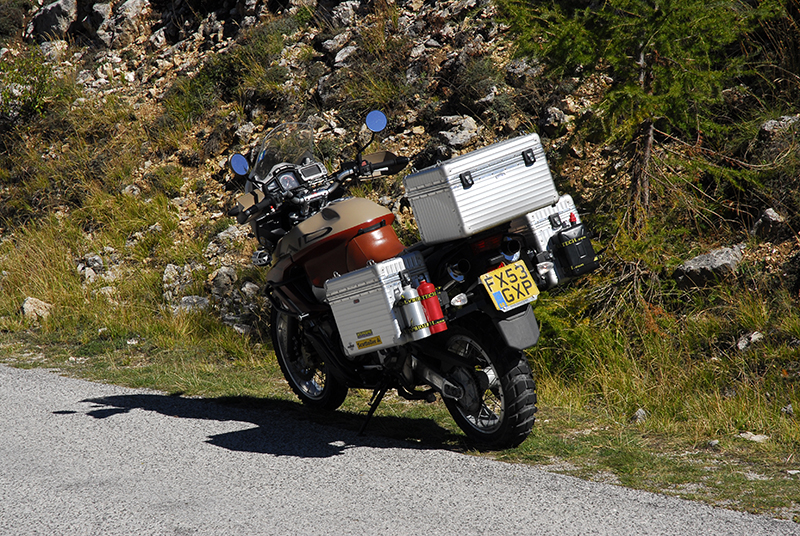

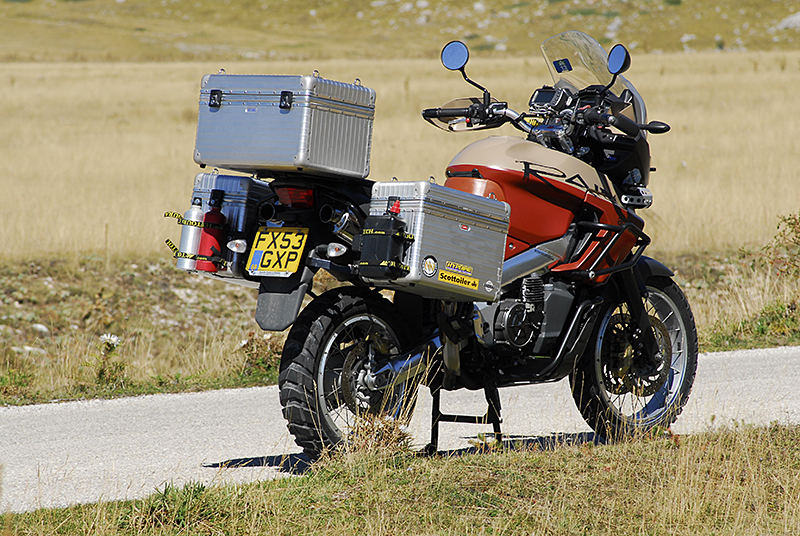
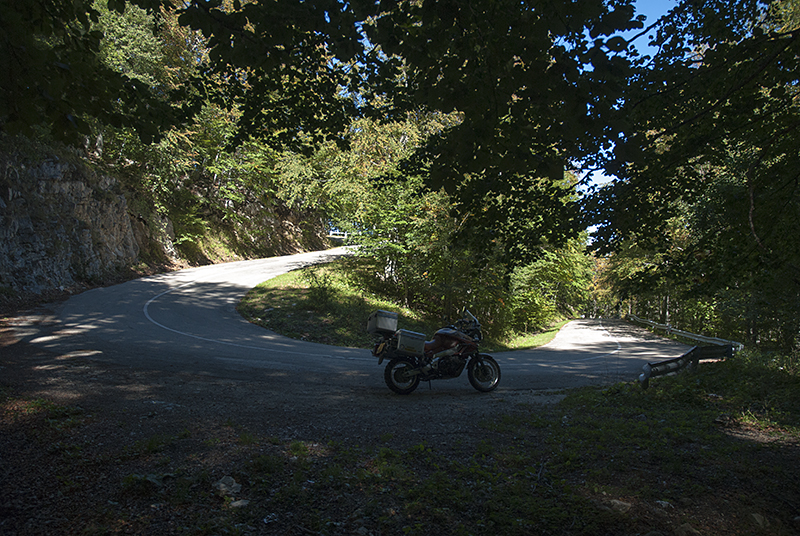
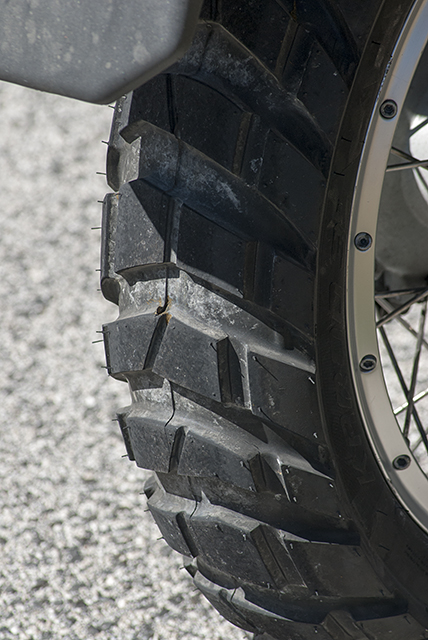
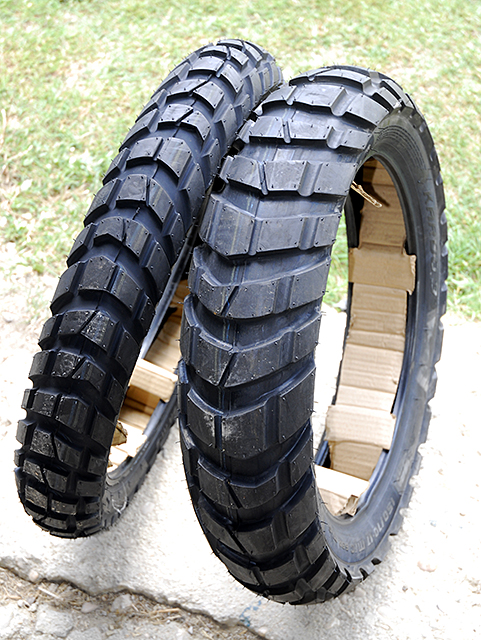
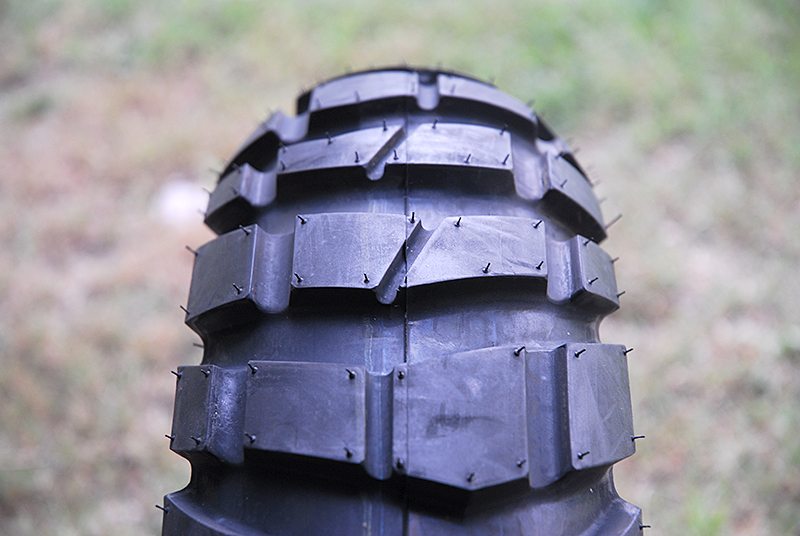
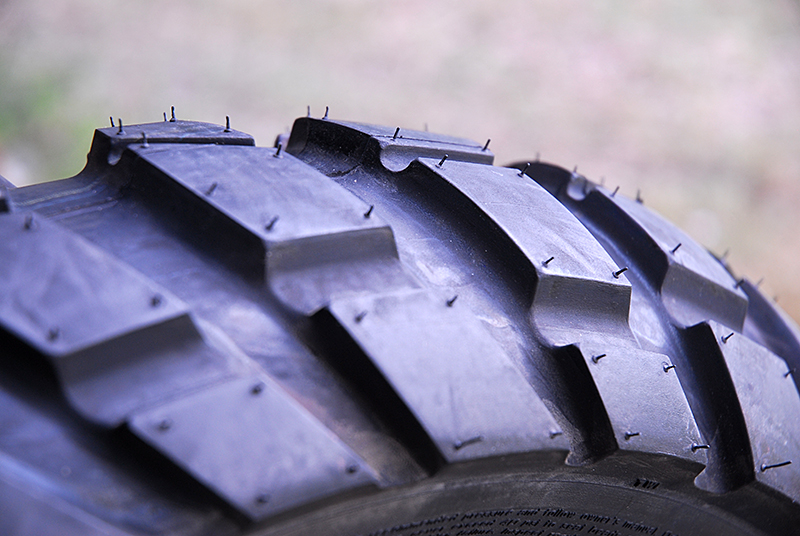
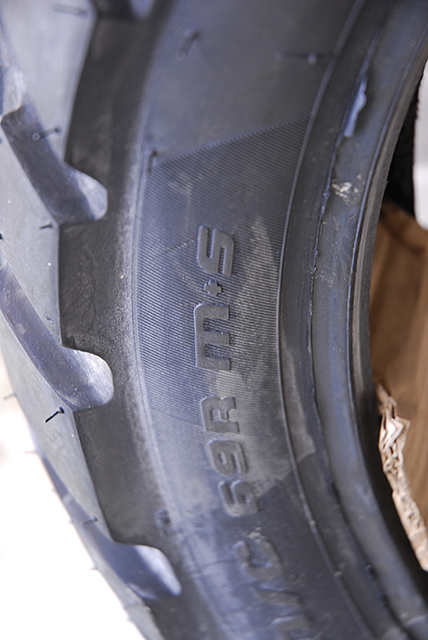
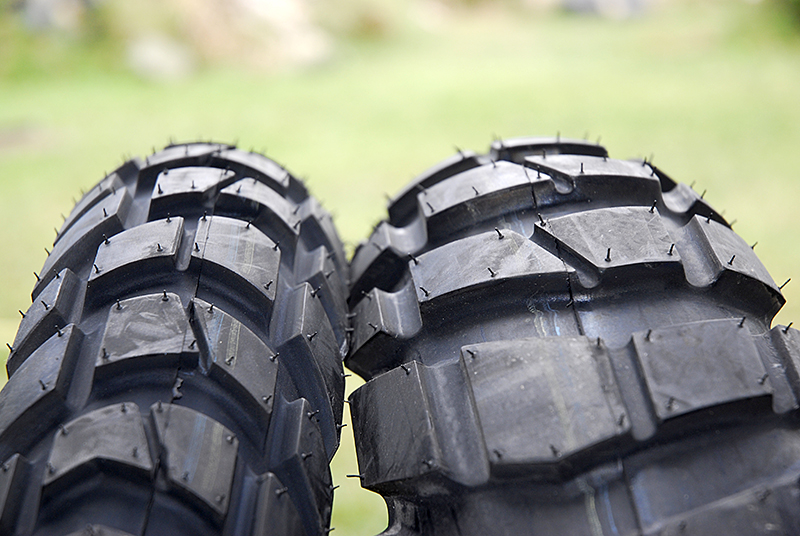
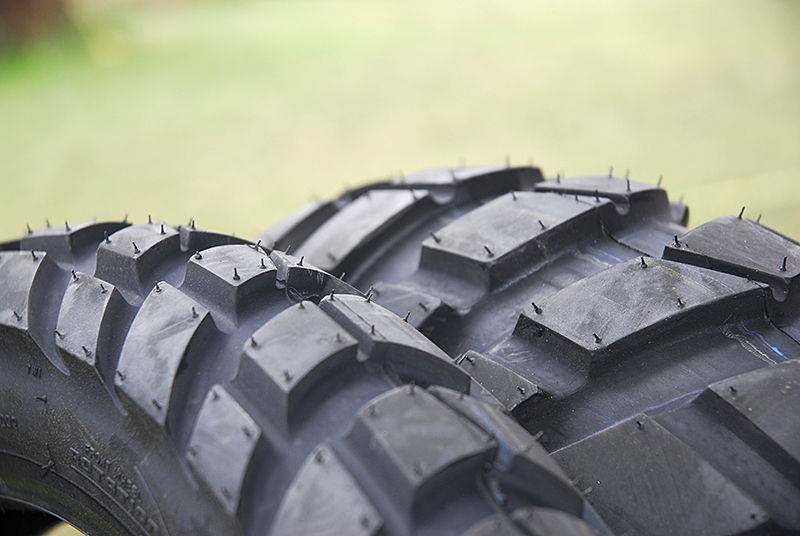
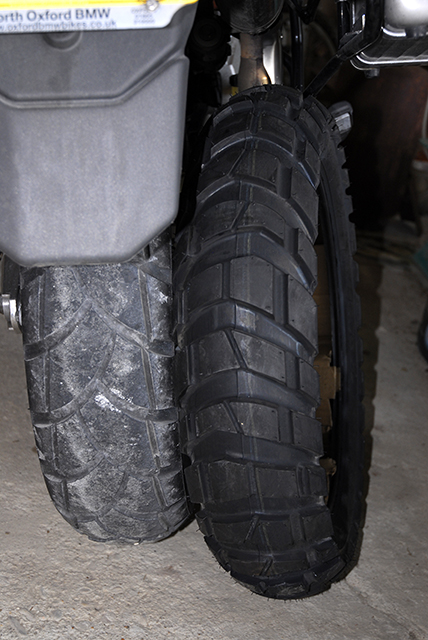
 You can also see the ‘M+S’ text on the sidewall of the tyres. As far as I’m aware this means diddly-squate ….. nothing except that grooves at the edge extend into the centre of the tread and that 25% of the tread is open. There are no tests or criteria with regards to real-word operation of the tyres in mud or snowy conditions. Tyres that are tested as truly ‘winter’ tyres will have the snowflake symbol on them …. and I don’t know of any m/cycle tyres that have it. If you do, drop me a line.