 It’s a lovely warm afternoon and I’m stood holding a little lightweight box with two terminals …. It’s a fake, a toy, it has to be. This simply cannot be a real battery!
Some sleazebag once tried flogging me a wooden camcorder in bubble wrap at a French fuel station, luckily I rumbled him. I’m starting to have a sinking feeling, maybe I’ve been stitched up like a kipper this time. No way is this a battery, no siree Bob!
The thing is though, the Shorai LFX18A1-BS12* is indeed real, and yes, it does only weigh 0.96Kg against the portly 4.6Kg that the YTX14 tips the scales at. It can weigh as little as a budgies fart and pack more punch than a high power version of the standard battery because of the lithium-Iron technology it uses, frankly it’s way over my head but if it works, I’m all for it. Here’s the bullet points the technology is supposed to offer:-
- Fraction of the weight of traditional batteries
- Faster cranking for better starting
- Faster charging
- No lead or explosive gasses
- Twice the service life
What’s in the box? Firstly, a neat carbon composite battery with a measured floating voltage of 13.36v – that’s about 90% charged, exactly what the website says it should be. The box also contains an instruction leaflet, stickers (ooo!!) and lots of adhesive backed foam strips to pad out the little darling to fit your battery bay nice and snug like. It only took a few minutes to match up the foam to pad out the Shorai to YTX14 dimensions, then ease it into the battery bay and begin reconnecting the cables. One nice touch is that all the terminal nuts have a piece of foam pre-attached to hold them in place and hence, make bolting the wires in much easier … a simple thing, but much appreciated!
So the proof of the pudding, the first start. Nothing much to say really …. It started up nice and strong like it had always been there, absolutely amazing! It settled down to a normal 14.2v charge at idle and I left it for about 10 minutes and then turned the bike off. I went back the next morning and measured the floating voltage – 14.04v …… about 95% charged! So even in the few minutes I ran the bike, it had taken charge and dropped nothing overnight. This is looking promising!
The YTX14 that came out is about 3 years old and a quality make, but has started to show signs of distress over the past few weeks. So I think it fair to consider it life-expired and so use its cost/life as the yardstick with which to measure the Shorai unit.
This then is day 1, I’ll write periodically over the coming months about its performance, especially on balance with the YTX14 it has replaced. Hopefully in the next few weeks I should be getting the Shorai SHO-BMS01 charger to use directly into the batteries own port and then I’ll see how it fairs in ‘storage mode’ for the winter period.
The Caponord (all years) can take either the standard fitment LFX14A1-BS12 or the higher powered LFX18A1-BS12, they are both the same case size.
UPDATE 2014
Shorai have now replaced the original battery model for the Caponord/Futura with the LFX21A6-BS12.
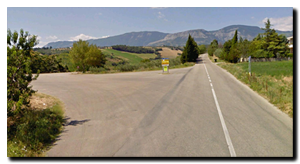 Years ago I was reversed into …… a HGV stopped on a main A road, we and the traffic behind us stopped as well. Then he reversed. Instinct 1 – horn, instinct 2 – bale out, or be crushed. As accidents go, being reversed into is quite a slow affair, time enough then to process the outcome, time enough to let the dread take hold. My step father and I were lucky, trapped by the car behind with nowhere to go, a quick thinking German jumped the line of traffic and drove alongside the tractor unit with his horn blaring.
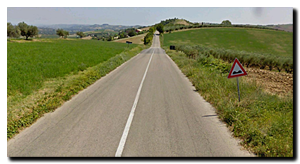 idea, the nearest entrance behind us was about 400m and anyway, the junction is so spacious and quiet he could have turned around easily. I guess I’ll never know what thought was crossing that barren wasteland called his brain.
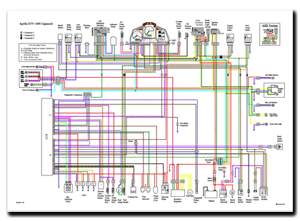 It’s not often these days that something really useful comes along, but Chris Elms has pulled one out of the bag! He recently popped over to the AF1 Caponord forum and quietly dropped off two wiring diagrams. Nothing new you might think – we’ve had wiring diagrams with the workshop manuals for years.


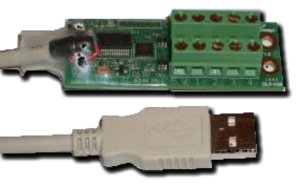 (measured not GPS), brake line pressure and gear position may well be handled by this little device. 8 x 5v analogue inputs should be fine … all looks fairly straight forward in the instruction book anyway. We’ll see!
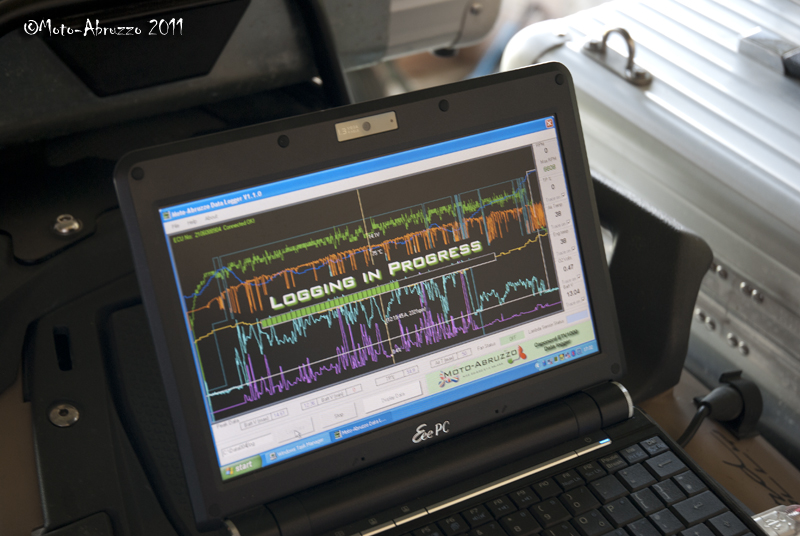
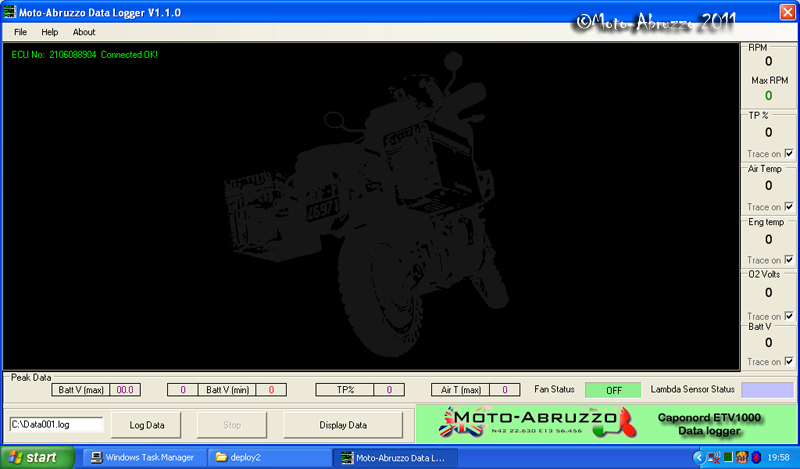
 The new
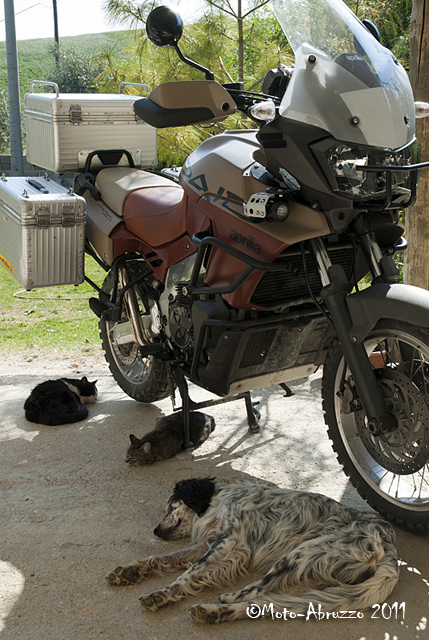
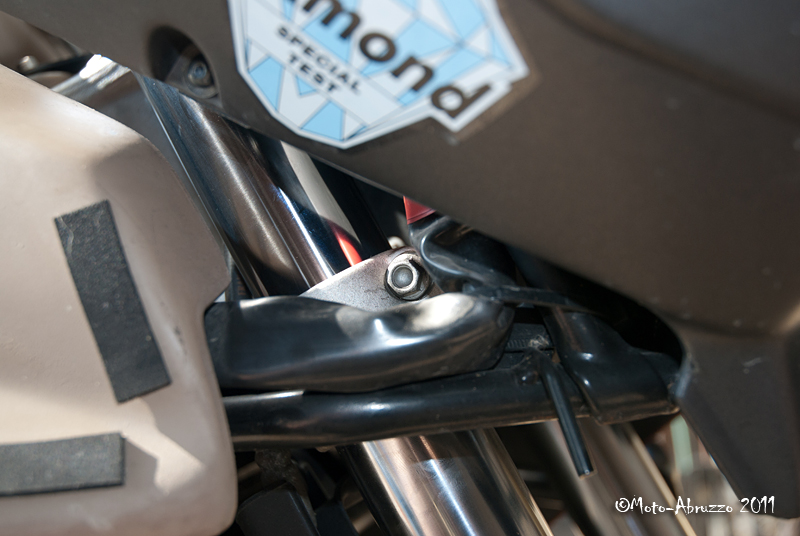
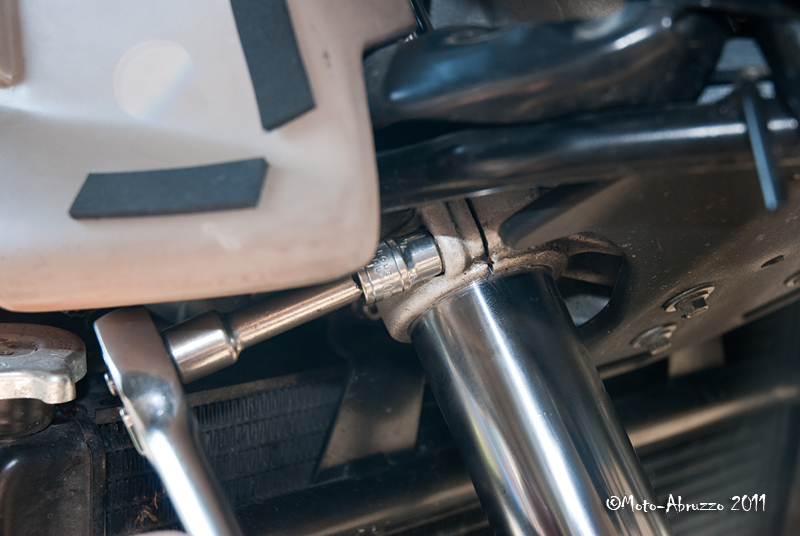
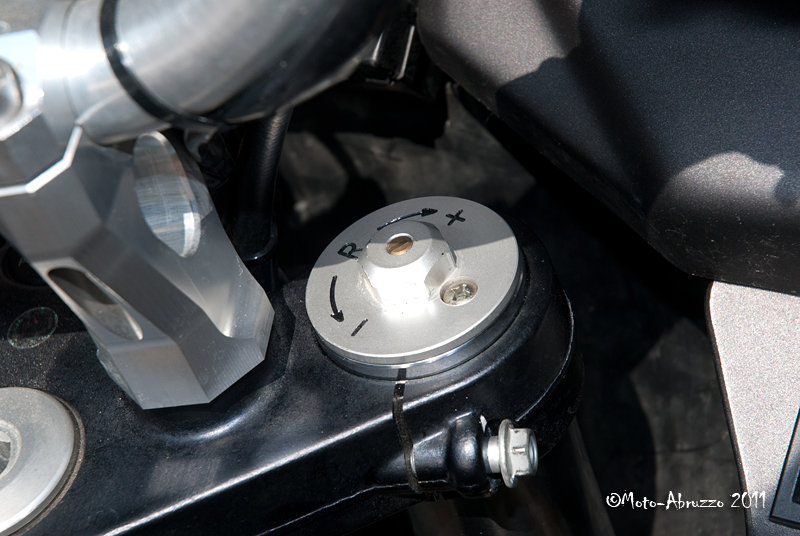
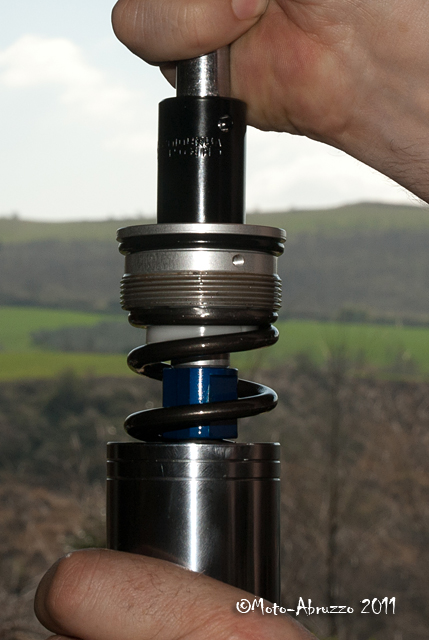
 A last item remained on the Capo service ‘To-Do’ list … fork oil replacement, a job I hadn’t tackled before. It turned out to be a nice simple job, the only fly in the proverbial being the Aprilia document itself ….. or to be more exact, the amount of oil specified in the document.