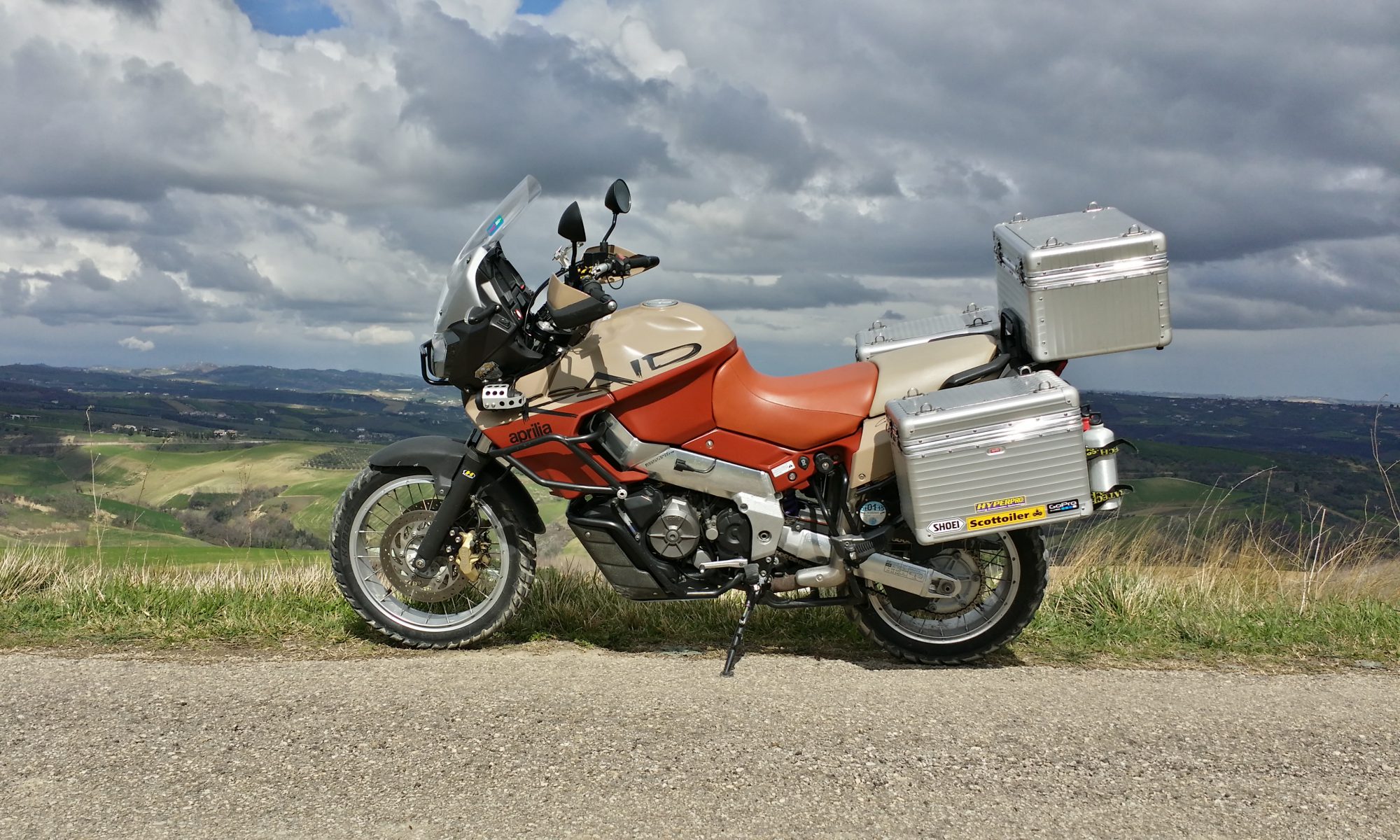
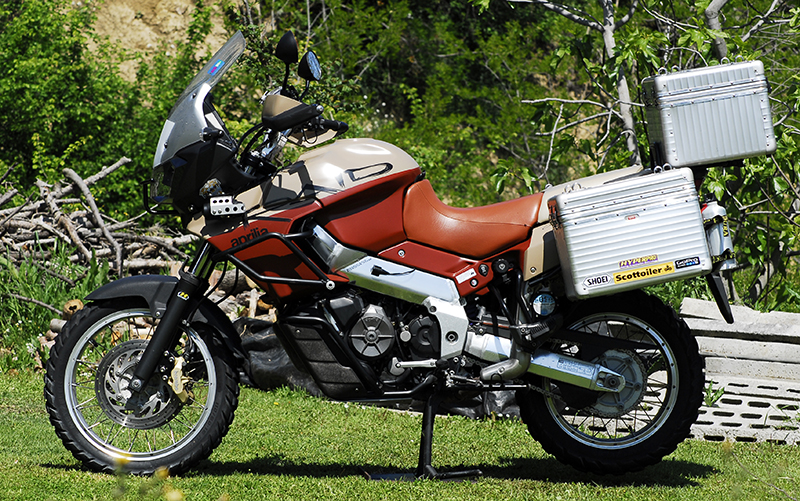
 As we fast approach the fun and games of ACIM, I figured it was time to reintroduce the Capo to two things frequently lacking in its life ……. washing and polishing. Yes, the hose pipe, chamois leather and Salvol autosol have been dragged out, dusted off and liberally applied to said Capo. My how she twinkles now, well as much as matt paint can ever twinkle that is!
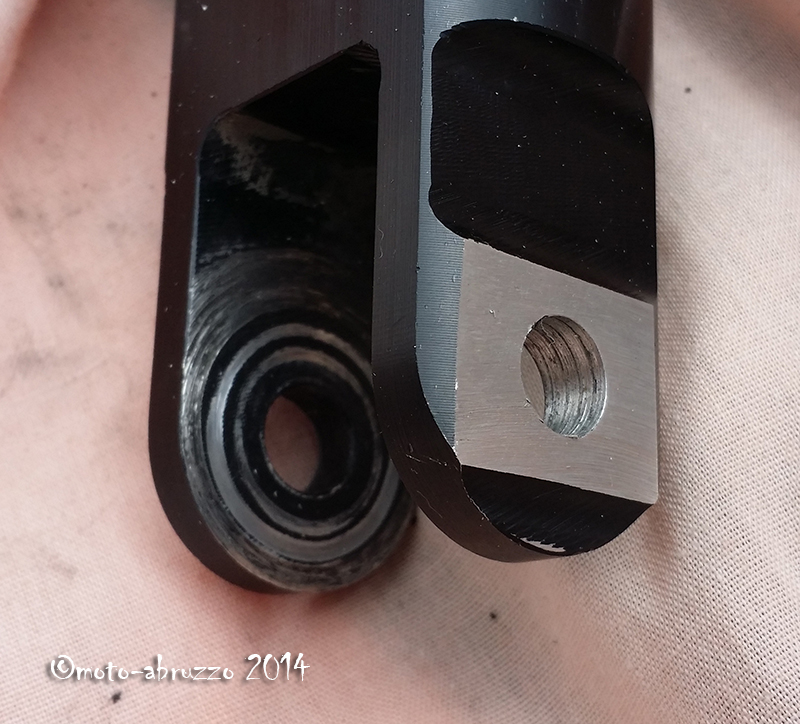
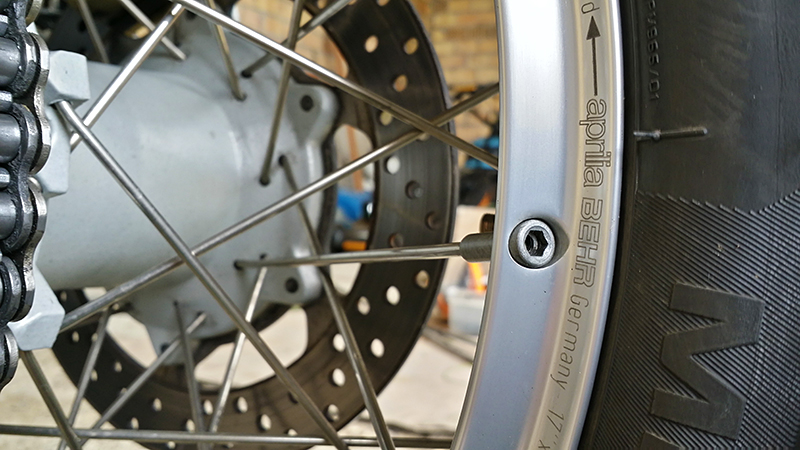
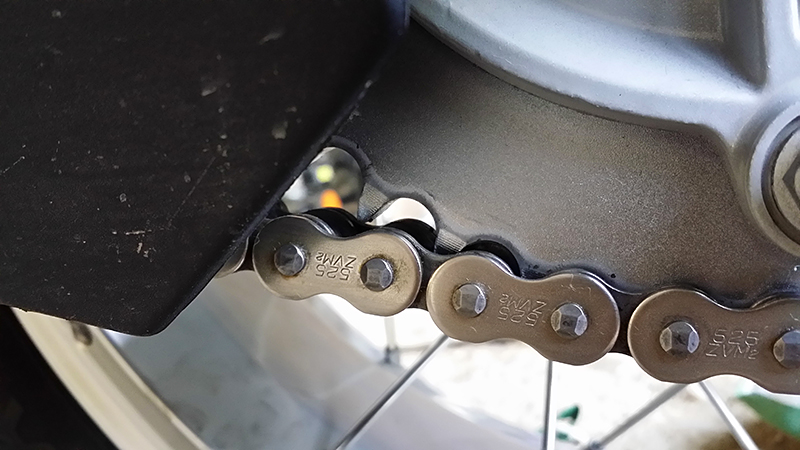
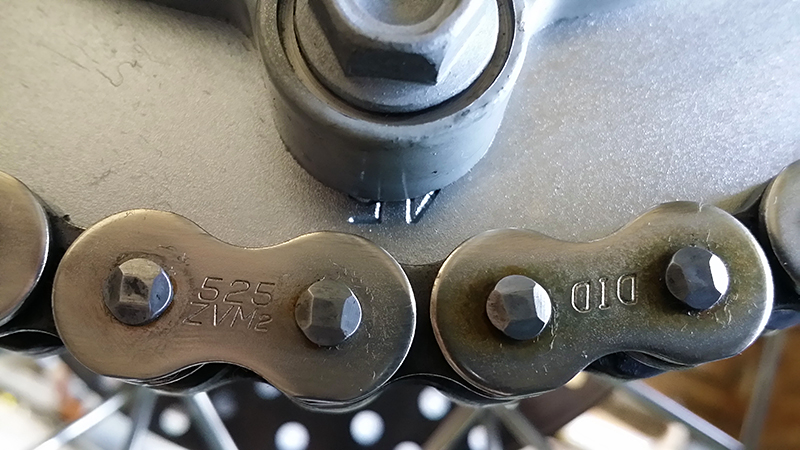
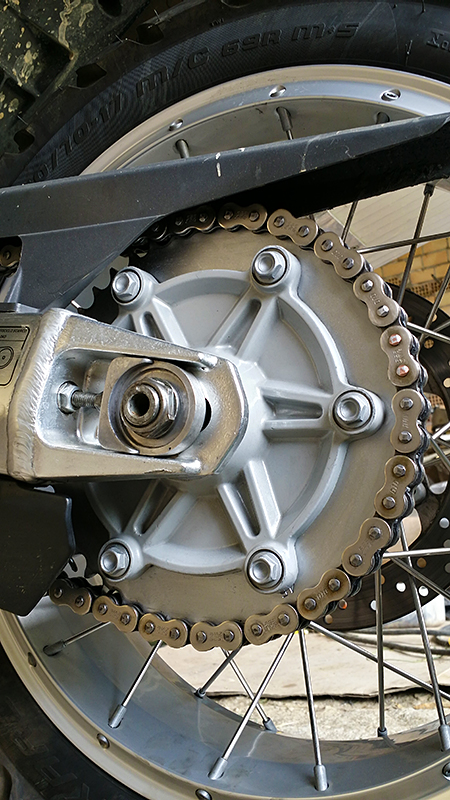 Unfortunately for the Capo, there has been one cleaning job on the list that I’ve been putting off, and I have to admit that the list was written several years ago – the rear wheel refurb! After a couple of cold ones, I finally mustered up the courage to tackle the gunked on grease, the lashings of welded road crud and the inevitable rusty nipples. It nearly had the better of me once or twice, but tenacity and sheer bloody-mindedness (plus a couple more cold ones!) saw the job through to the bitter end. And here’s the finished article, not too shabby if I do say so myself ….. and that chain/sprocket have now got a whopping 38,730 miles on them!!!
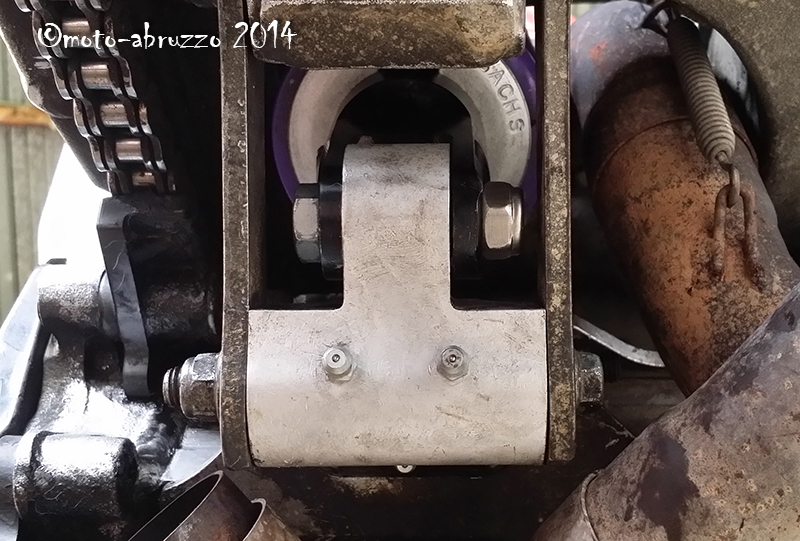
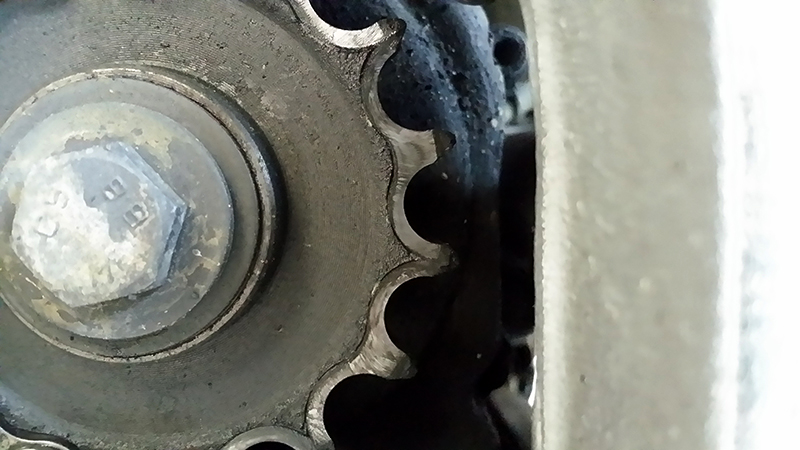
Before it all went back together, the Scottoiler dual-injector was checked over as were all the bearings, seals and cush-drive rubbers – and of course it would have been remiss of me to have not taken the front sprocket cover off and give it a Mk1 eyeball check – looks OK for now, but I’ll get one on order! 😉


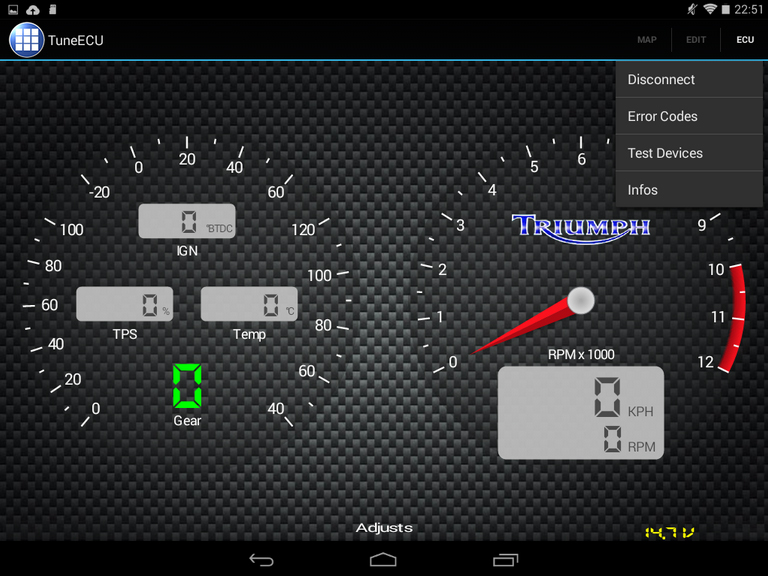
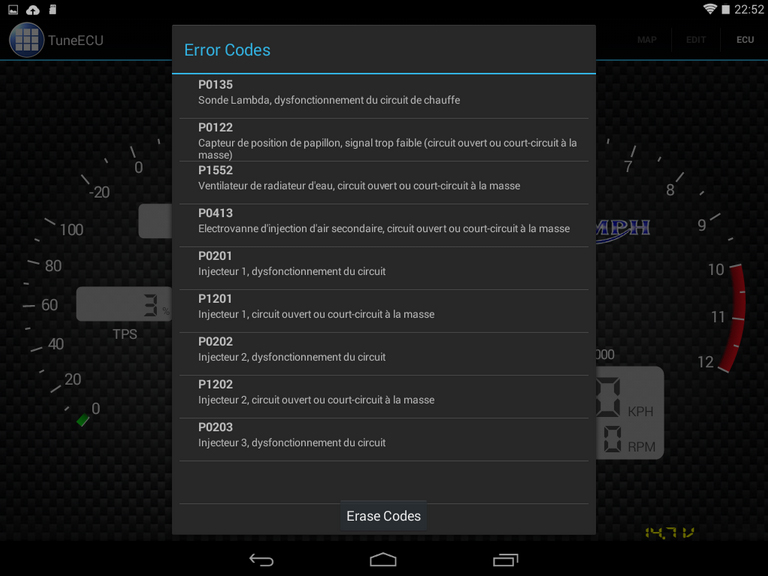
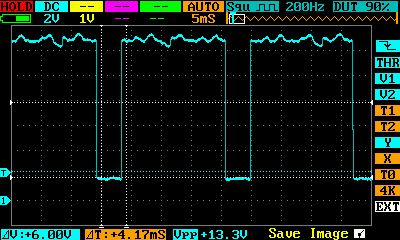
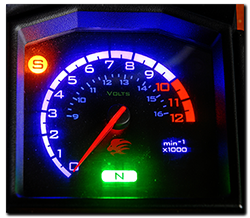 A few days ago while doing a bit of investigating for an AF1 forum member regarding the tachometer signal from the ECU, more specifically what would he observe on a multimeter instead of an oscilloscope, I momentarily shorted the tacho line against the chassis with the bike running. The tacho shut down and the bike just kept chugging along quite happily – no EFI light, no tacho. Recycling the ignition bought the tacho back to life and it’s been fine ever since ……… but two points came out of this that may be of use to other owners.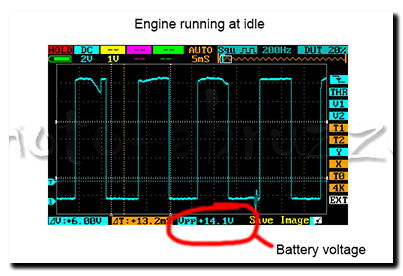
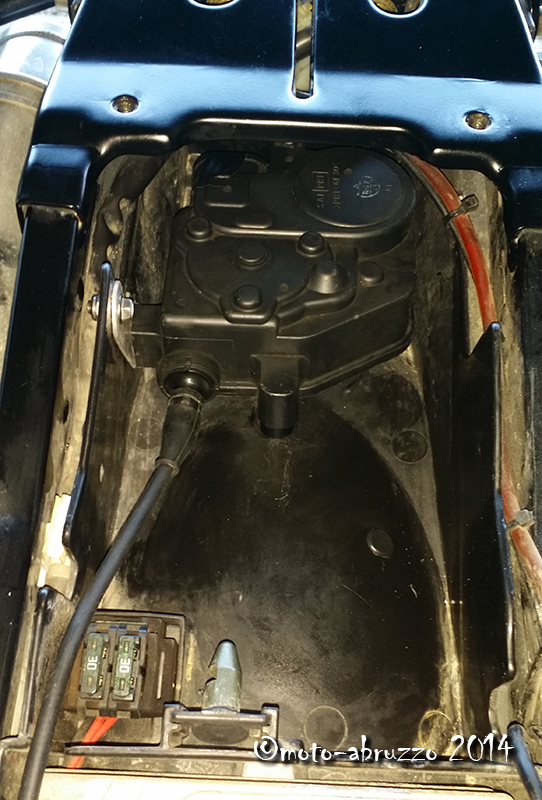
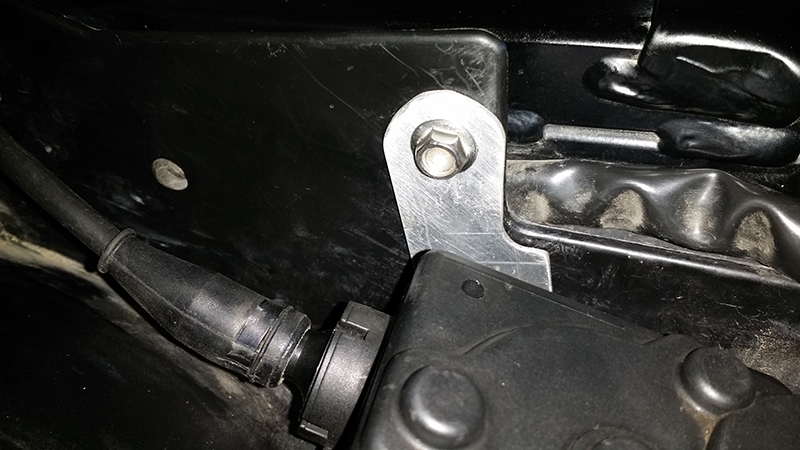
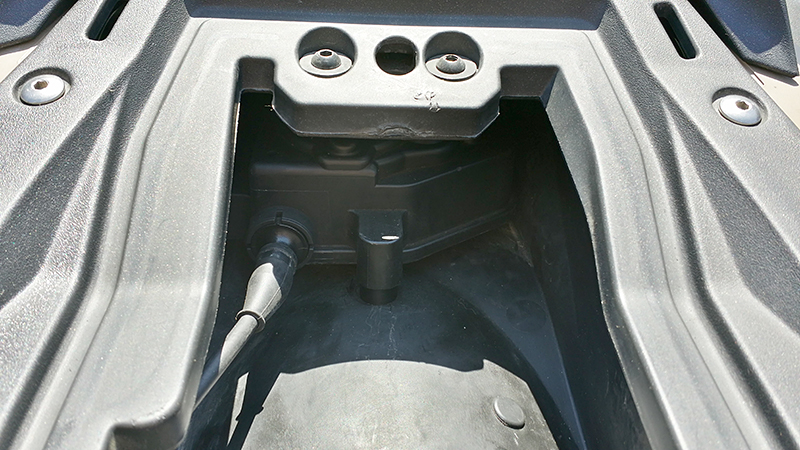
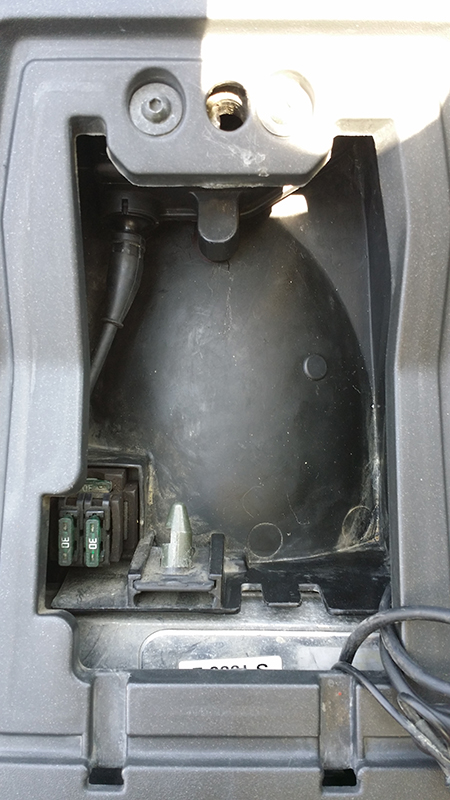
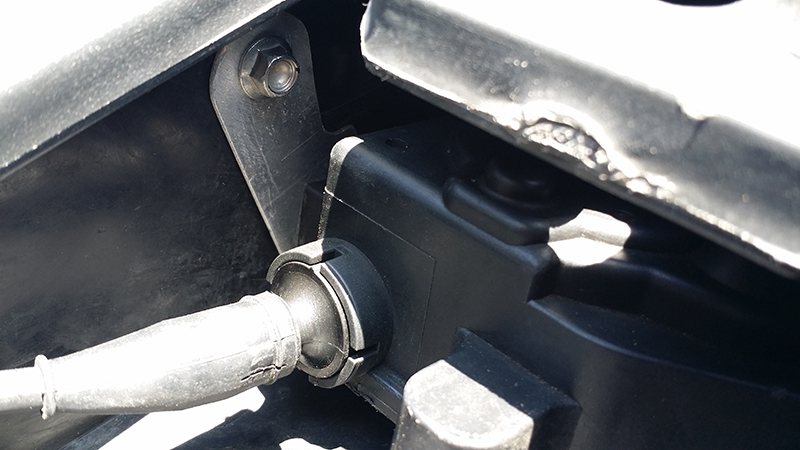
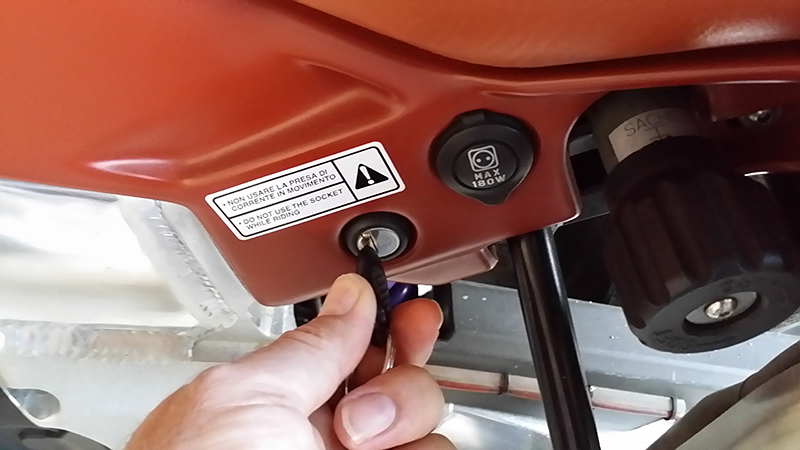
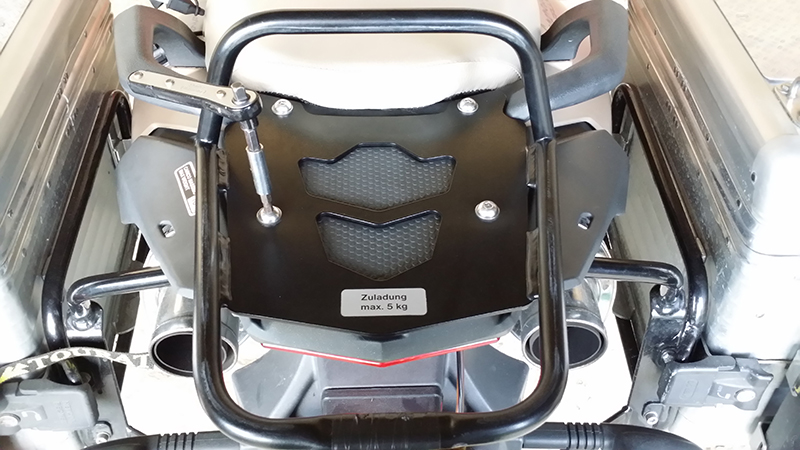
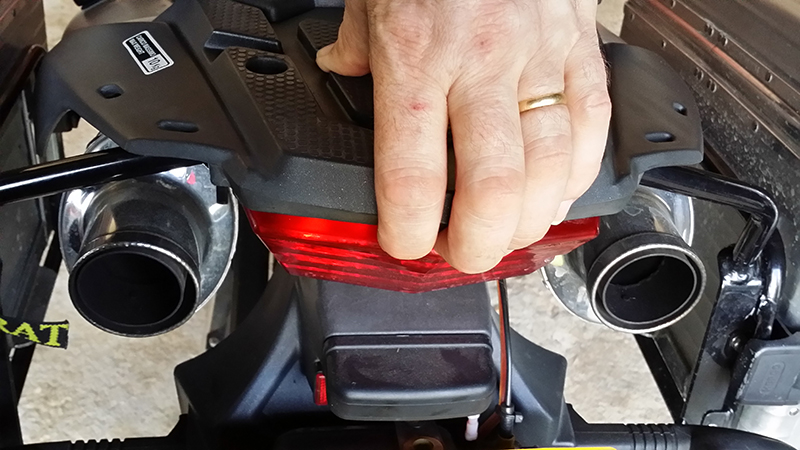
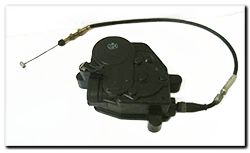
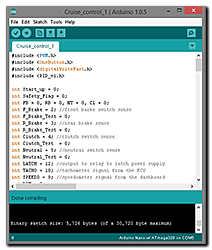 The system I’m thinking about will, when all parameters are met (speed, revs etc) lock onto the chosen speed when the ‘Set’ button is pressed. The microcontroller will then look at the error between the chosen speed and actual speed and adjust the throttle as neccessary to try and maintain the error at zero – this is done using PID (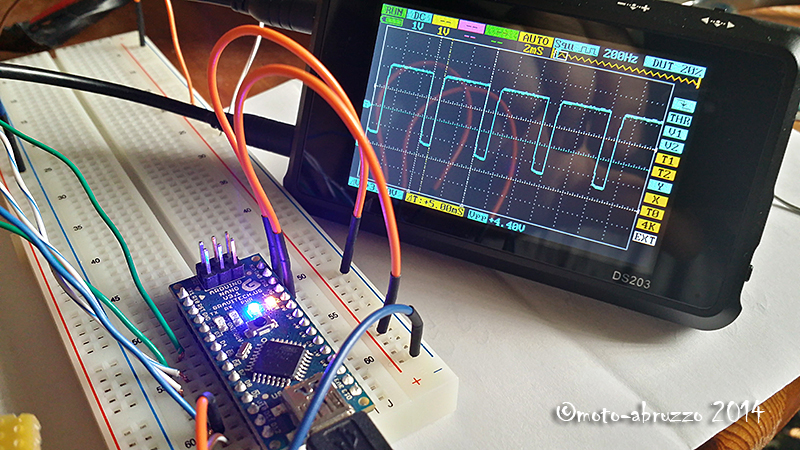
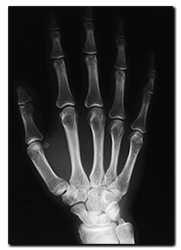 Just as the last of the crappy weather ebbed away and thoughts of having a run out on the Capo sat warm and snug in the front of my mind …… life came along and handed over a great big slap in the face by resurrecting an old injury. Over the past five decades I’ve been fortunate enough to only break one thing in my ageing chassis – my right wrist, unfortunately three times!