
OK, so a quick post before the one about “Fixing the MCCruise control”. Remember the magical fix-itself TPS problem I mentioned last post? Well it mysteriously un-fixed itself in a rather worse fashion while sat in lane three of the A420/A34 roundabout at 06:30 in the morning! Idling beautifully at 1,250rpm one instant, a little shudder or two to get my attention and then silence …… just as the lights turned green. To be fair she fired straight up again on the button, but now the idle was barely 1,000rpm and the Capo really doesn’t like the idle that low. I got to work, went to kill the ignition and she sat sweet as can be back at 1,250rpm ….. now if there’s one thing I sure hate, it’s an intermittent fault. So rather than the Capo and I falling out, I went into work and stewed on the problem while peering out of the canteen window at the bike and sulking like an irritated school boy.


Later, I fired it up to head home and all was lovely with the world. To be honest I was more annoyed than if it was broke – broke I can fix. We got home in an uneventful ride, but again the idle was low …. 1,000~1,100rpm but stable. This was now officially a lovers tiff! I’d gone over so many possibilities in my head, but in the end gut feeling was still saying it was a faulty TPS. So that’s what I went with. Next day I dug out one of the spare TPS’s and tested it – 1.2KΩ ±10% pins A-B and 1.2KΩ ±10% thru to 2.4KΩ ±10% pins A-C with the throttle closed to wide open. The following day the swap took no more than 40 minutes going steady – tank raised and perched on top of the airbox, remove two T30H screws and the electrical connector to release the TPS …………. swap sensors and reverse everything to put it all back together, simples. Then of course the magical and most important bit ….. use TuneECU to reset the TPS. Now I noted the TPS voltage as 0.27v throttle closed and 4.08 throttle fully open – this was constant and repeatable every time – perfect. Finally, I took the bike for a nice 20 mile ride and once back secure in the yard, ticking away in the September sunshine as she sat cooling down, I cracked open a cold beer in celebration of a job that appears to be successful.
 Things I learned along the way ….. in TuneECU you can see that the TPS position is sampled for 16 distinct columns in the fuel maps. Of those 16 positions, 7 are for throttle positions of <10% while the other 9 positions account for the remaining 90% of the throttle movement! So it’s fair to say it is used mostly by the ECU for small throttle openings …. primarily the 0-6% range and this when measured afterwards was where the TPS was giving erratic readings. Symptoms on the bike – well primarily erratic idle, but also poor running (mostly rich – smell) in the small throttle opening range. Crack the taps and give the old girl the reins and the Capo rode perfectly normally. Fair to say the symptoms are similar but slightly different to an air leak and of course common to both cylinders, so nothing like an ignition issue. It was more random – cold, hot, time etc. it just didn’t feel like it was a leak. Anyway, the job is done now.
After a few days of the Capo behaving itself, I dug out the Dremel and opened up the sensor to have a look at the tracks inside for a definitive answer, a small Capo autopsy if you will. Once inside, I certainly didn’t expect it to be built the way it is, I expected a simple potentiometer and wiper arm ……… in reality, it uses a plastic strip with several resistors printed onto it and a wiper arm that bridges the two large resistors (left on pic). From the look of it, one of these wipers had lost spring and was no longer making good contact with the resistor it swept over.

As of 26/09/2025 AP8124866 is available from Ultimateparts.net at £224.46 inc. VAT, but only available on back order from Fowlers (Bristol). At that price it makes sourcing one on Ebay most certainly your best option.
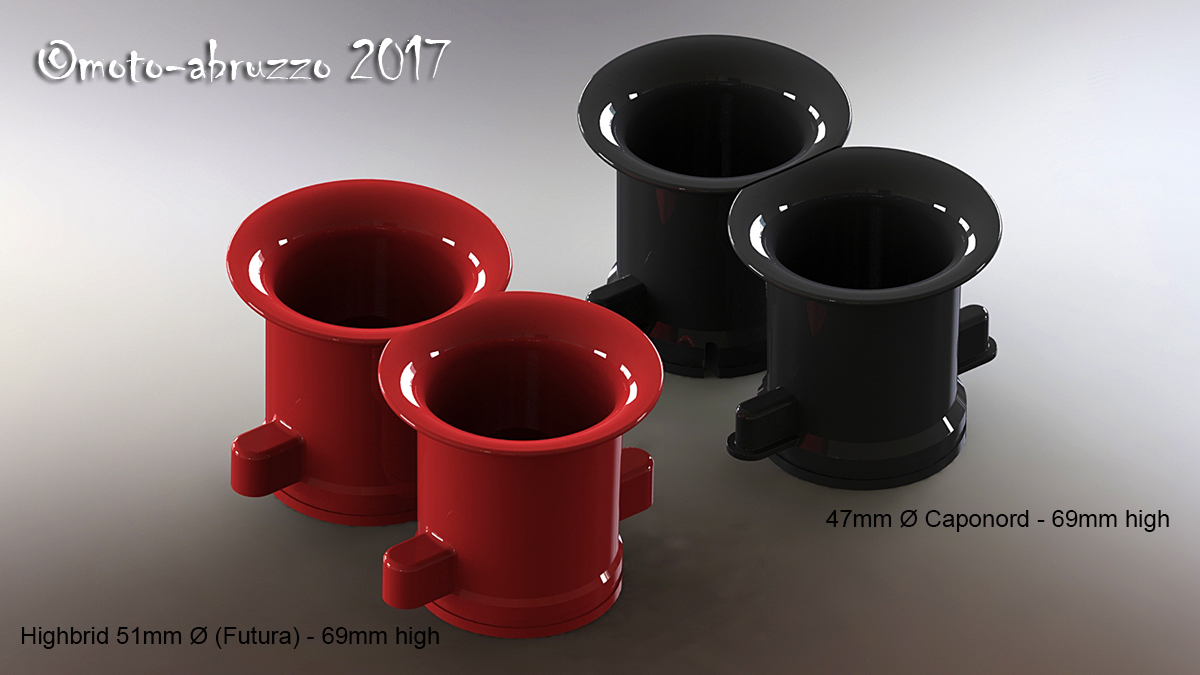
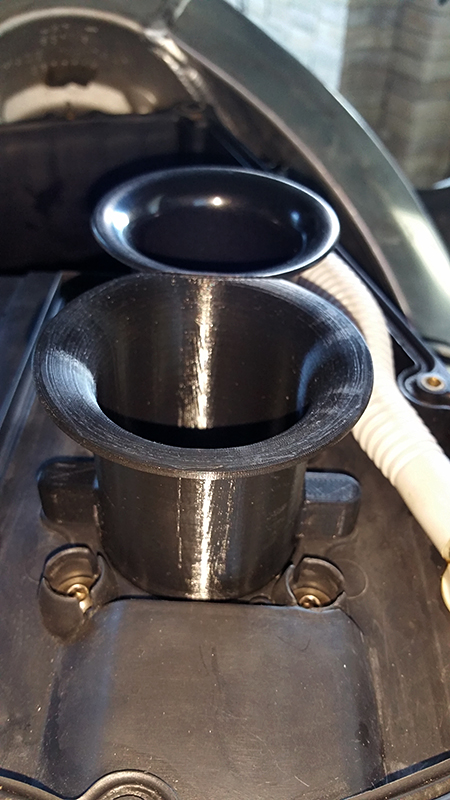
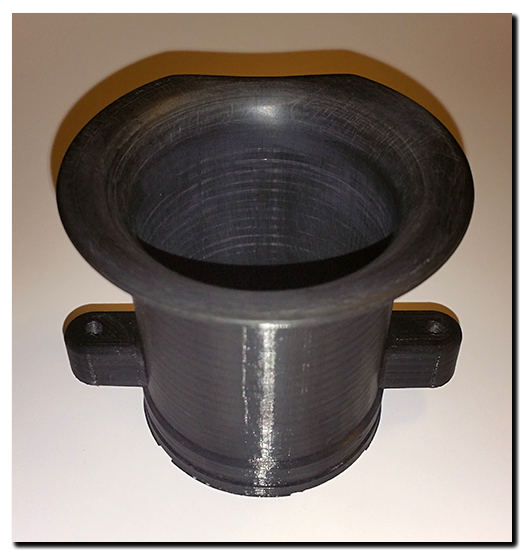
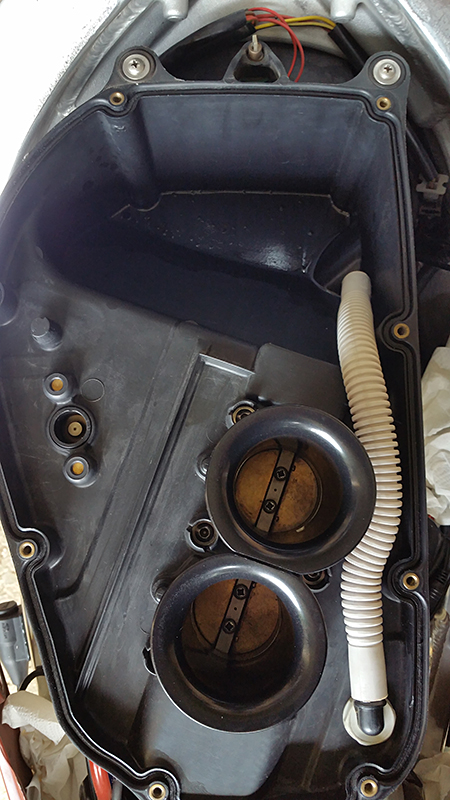
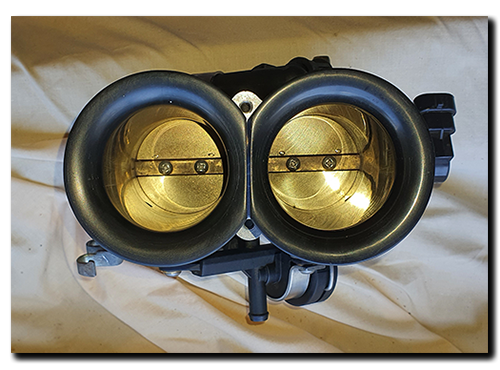 Sometime way-back-when, I bought a used set of throttle bodies off an RTS Futura (51mm v Caponord 47mm) with the view of doing some tuning/comparison work on the Raid with the 3D printed hybrid velocity stacks (51mm diameter but Caponord height). What really happened though was far less glamourous and only involved a sturdy box and a shelf! But about a month ago I dug them out again and realised that I pretty much had all the ingredients required to do a full clean and rebuild. I had stainless steel 4x10mm and 5x12mm Torx screws on the shelf as well as all necessary seals. The ultrasonic cleaning bath would do the brunt of the work and I could send the injectors away for professional cleaning at a reasonable cost.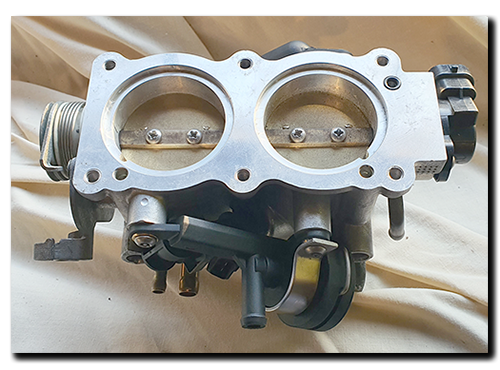
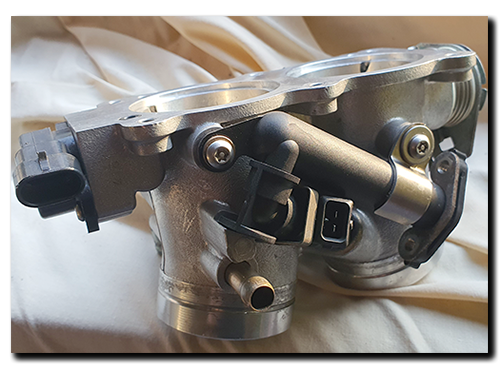
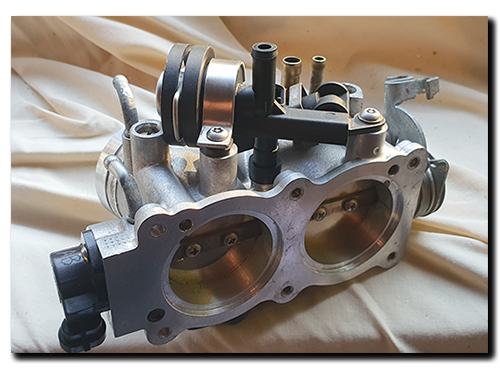
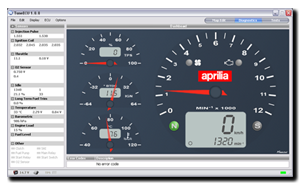 I’ve just had a fun few hours preparing the Capo for its MOT (annual inspection) and one of the issues I wanted to get around to sorting was the slightly high tick-over.
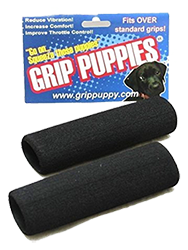 Hot on the heels of the last post, here we go again, with the next little problem to work on. It looks like the bad wrist isn’t going to recover much more now without an operation, and Dog knows when that’ll happen. So I’ve been pondering how to reduce the load (torque) my poor old wrist feels at the twist grip.
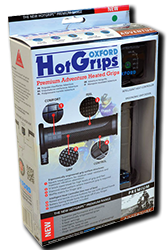 more power. In the end I opted for a set of Oxford Products Premium Adventure grips (OF690).
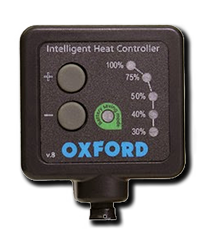 to your last used setting ….. but none of this is programmed in on the OF690.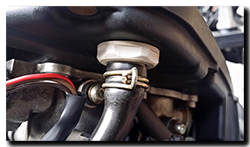
 another one, when I had a “Stop the bus!” moment …… don’t waste time and fuel going into town, sit down, draw something in CAD and print that puppy! 😀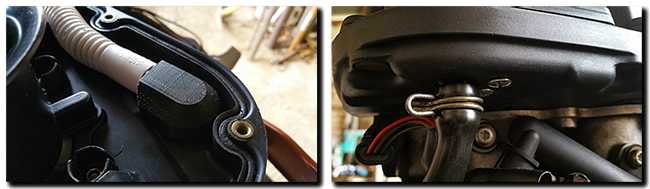
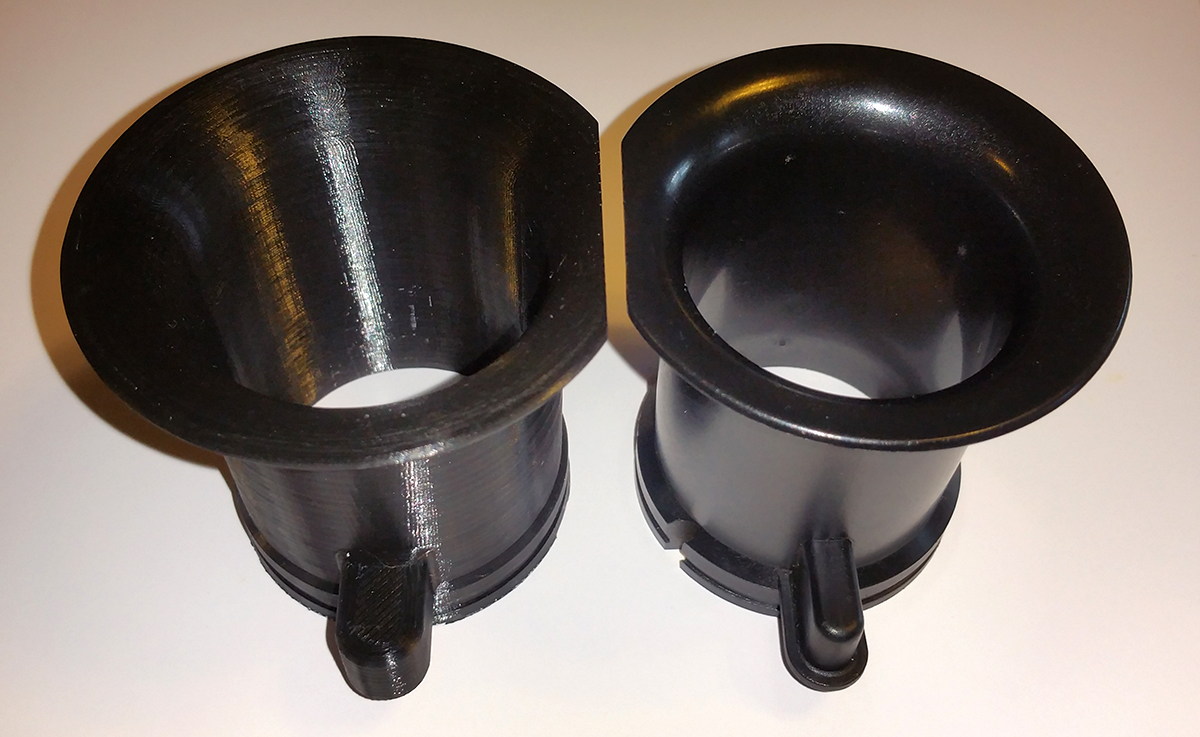
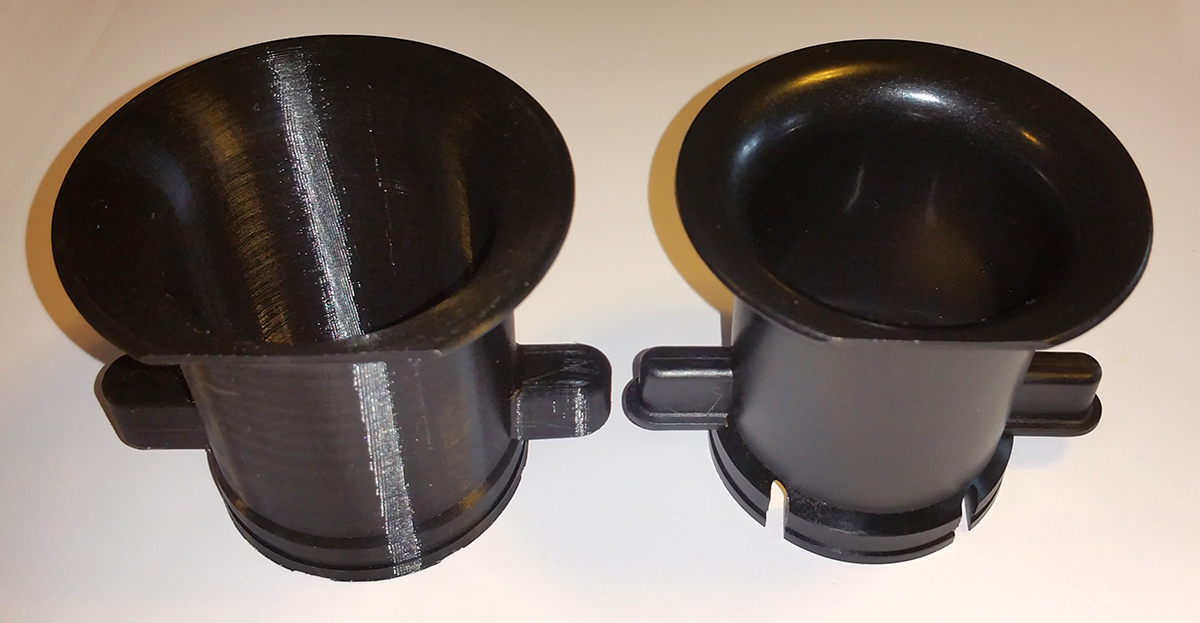
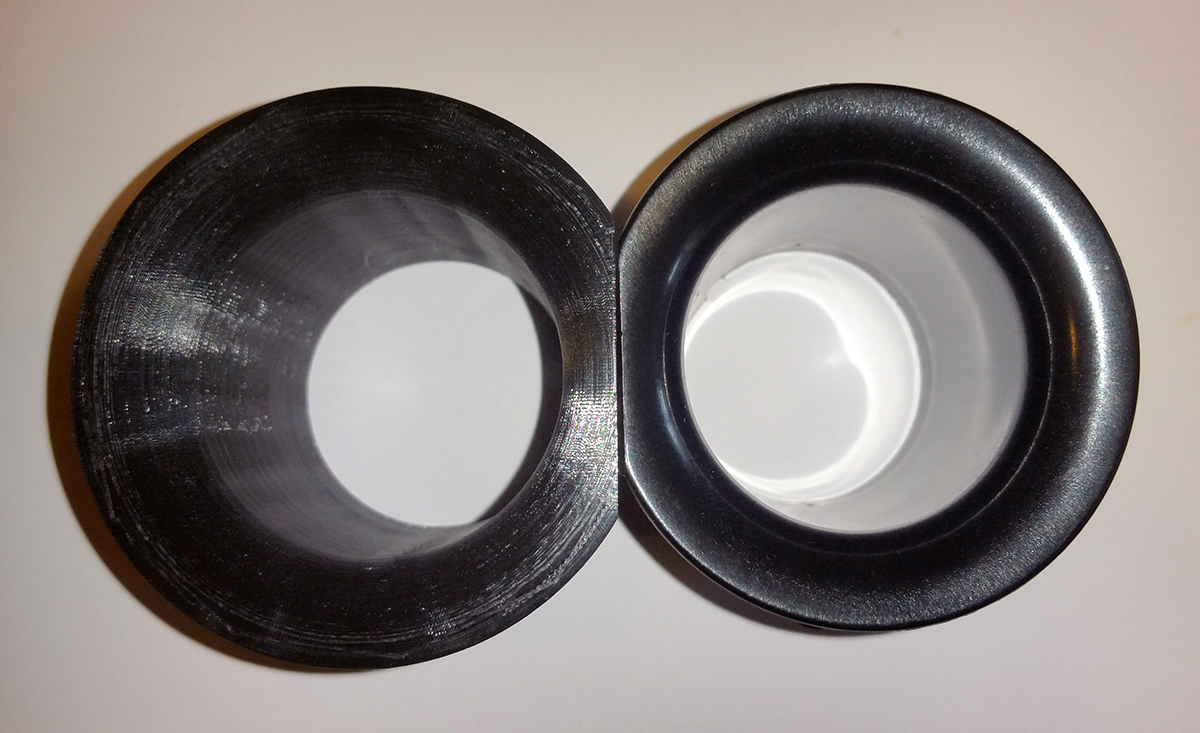
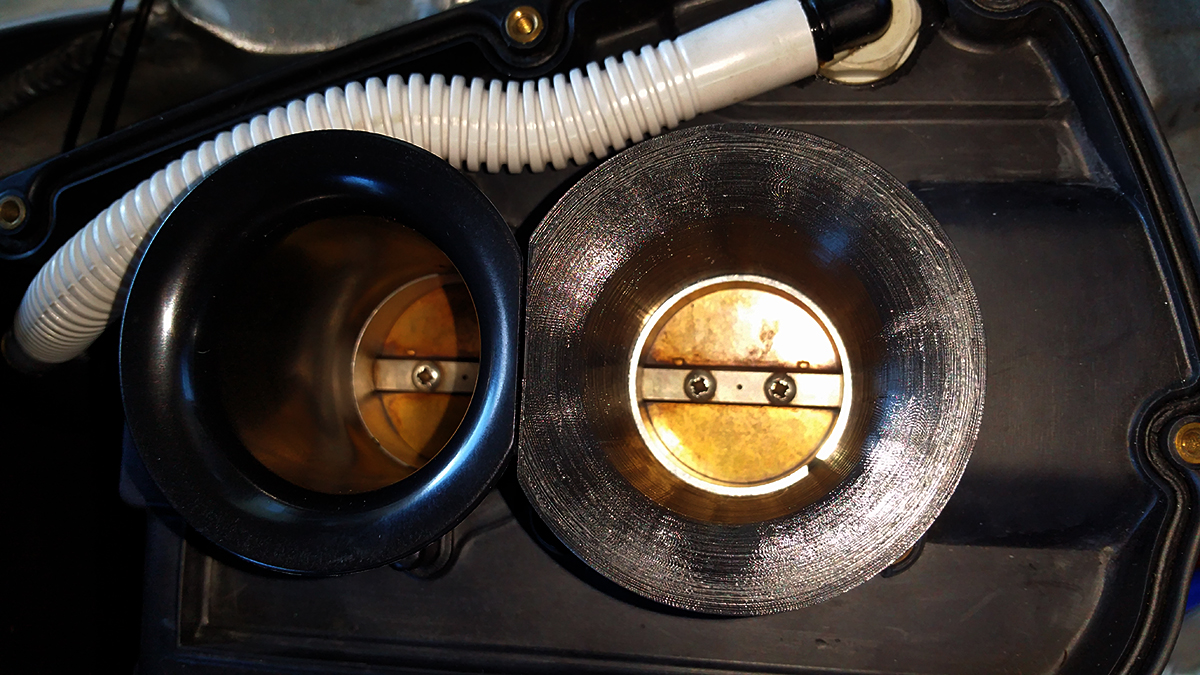
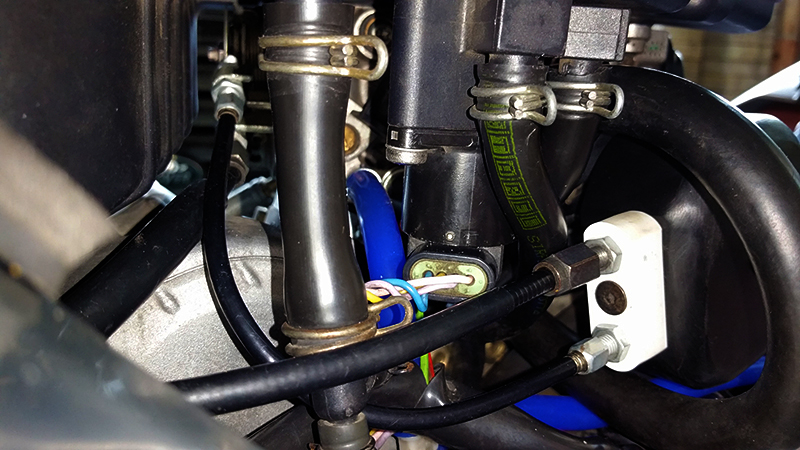
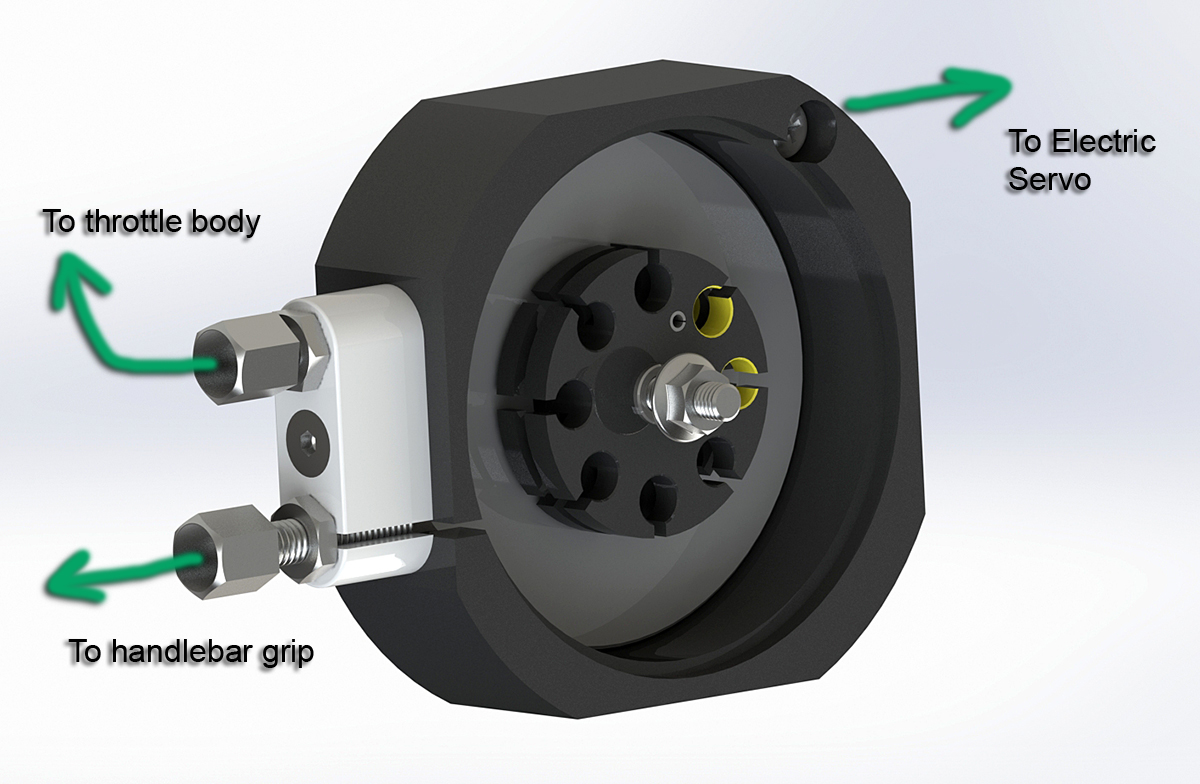
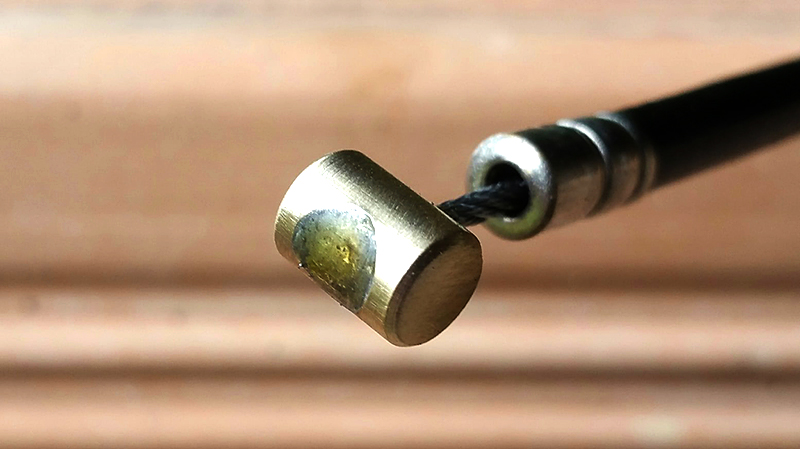
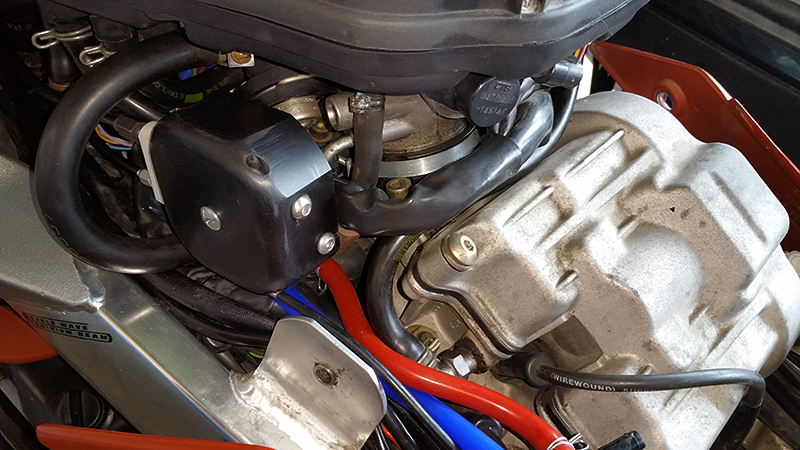
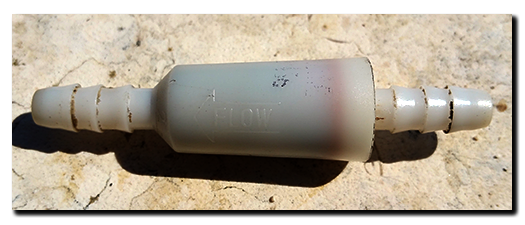
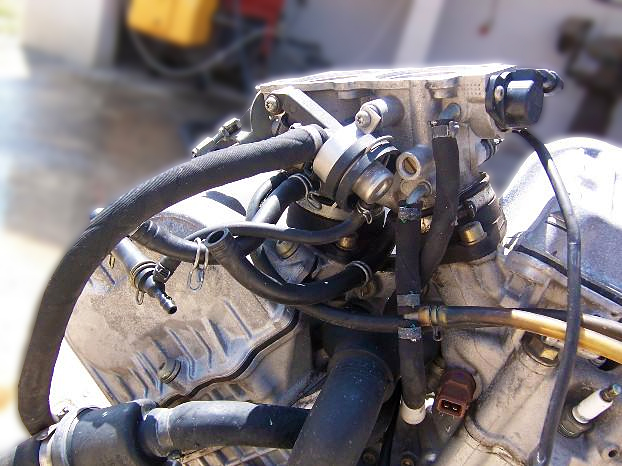
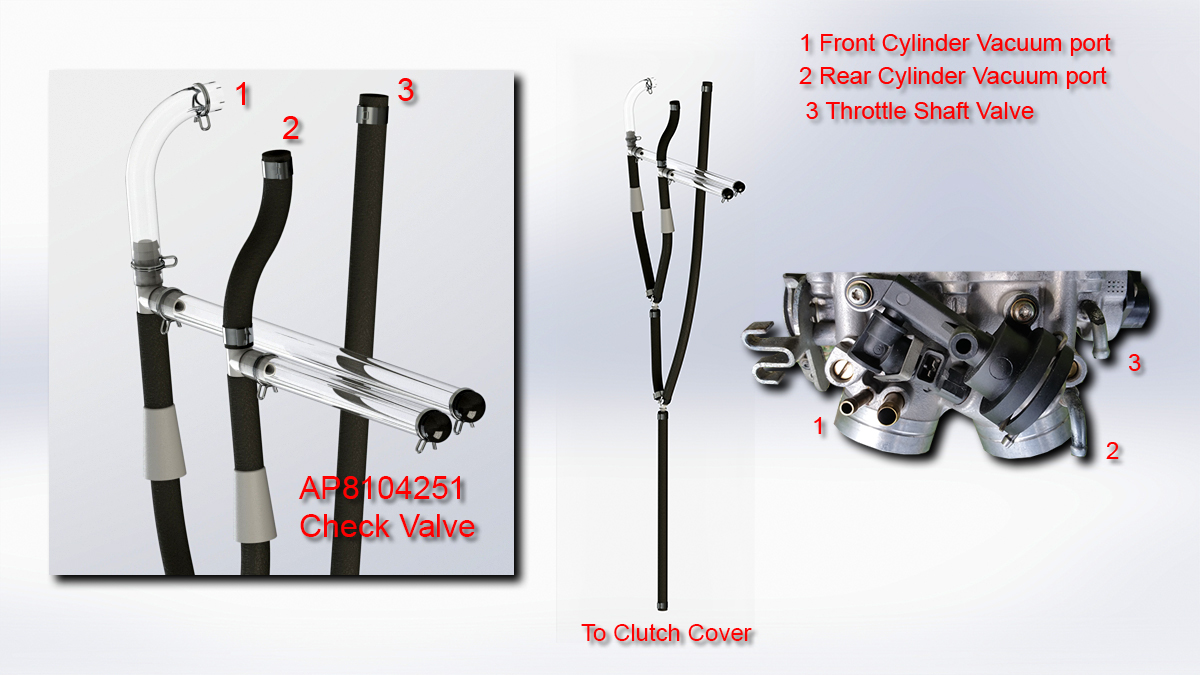
 It’s been a while since the Capo was serviced and one job has still remained outstanding – in fact it has been ‘outstandingly’ outstanding for the past few services since I lost my old
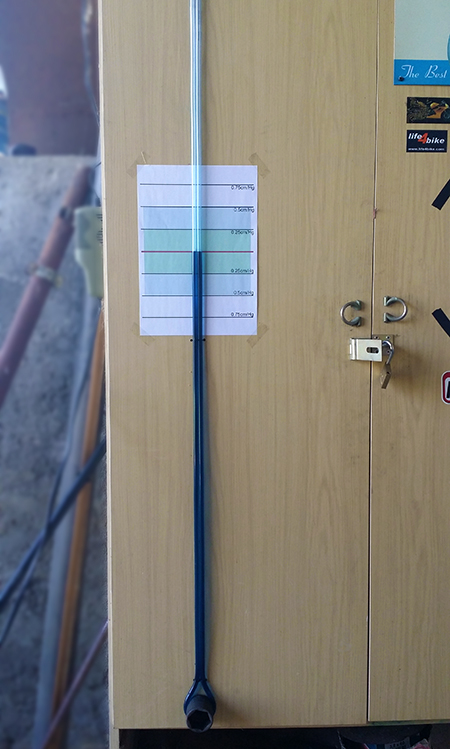
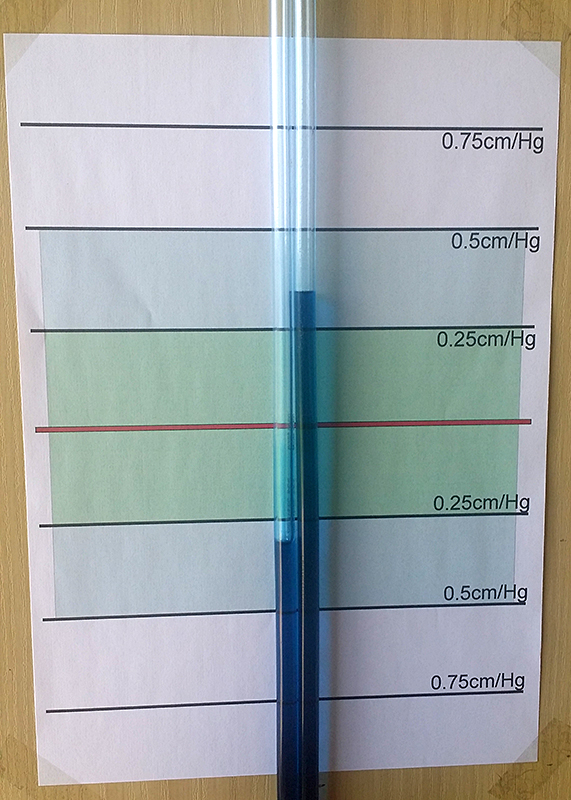
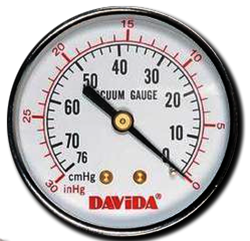
  First off, what kind of vacuum are we looking at from the Capo motor? From measurements, it looks to be somewhere in the range of 22-24cmHg (based on an erratic Carbtune II) per cylinder measured against atmospheric pressure …. Now that’s not much for a mercury manometer – barely the length of a sheet of A4 paper. A nice compact manometer then, except that unfortunately mercury is almost impossible to get hold of because it’s deemed way too dangerous for us potato-heads to use safely. So what does this mean in terms of manometer height if we use liquids of a lower density? Well…..